ar
ar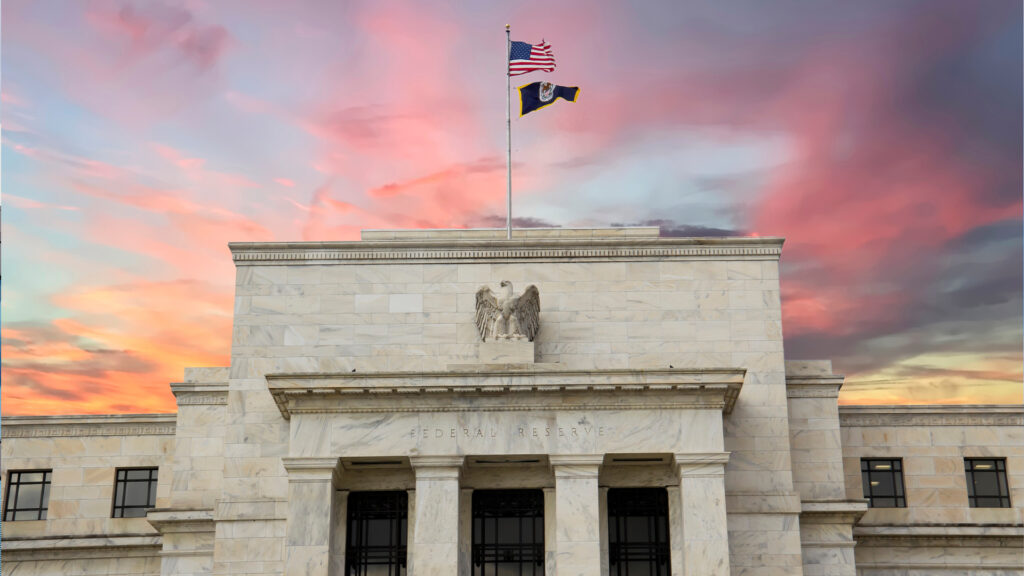
- Kevin Warsh leads his first FOMC meeting on June 16-17, with rates expected to hold at 3.75% despite a record four dissents at the last meeting and mounting pressure from the White House to cut.
- Inflation has hit a three-year high as the Middle East conflict drives up energy prices, shifting market expectations from rate cuts toward possible hikes by the end of 2026.
- Warsh has criticized the Fed’s reliance on forward guidance and could shake up how it communicates, from trimming projections to holding fewer press conferences.
Kevin Warsh will lead his first meeting of the Federal Open Market Committee (FOMC) on June 16–17, taking charge at a difficult moment for the Federal Reserve.
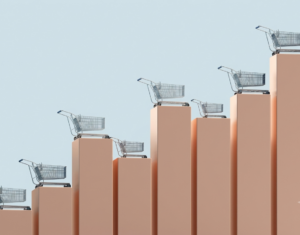
Inflation has climbed to a three-year high, yet pressure from the White House to cut interest rates hasn’t let up.
Warsh, who was sworn in last month after being chosen by President Trump, now faces the challenge of balancing political expectations with a divided committee and a fast-changing economic picture.
Rates Likely to Stay on Hold
Financial markets are widely expecting the Fed to keep rates unchanged at 3.75%. During the Fed’s previous meeting, the decision to hold rates already saw four members dissenting from their votes, marking the largest split since 1992.
The important thing is not only Wednesday’s rate decision, but what the Fed could signal in the future. Before the escalation of the Middle East conflict back in late February, markets had expected at least one rate cut by the end of this year.
Now, expectations have gone the opposite way, with some even pricing in rate hikes by December, and cuts pushed out of the picture.
Inflation vs. Political Pressure
The Fed operates under a dual mandate: keeping inflation near its 2% target while supporting strong employment. Right now, both goals are under strain. The war’s effect on oil and gasoline prices has pushed inflation higher, while the job market remains resilient, with unemployment close to historic lows.

Before joining the Fed, Warsh had spoken in favor of lower interest rates, in line with President Trump’s repeated calls for cheaper borrowing costs. ⁽¹⁾
However, the recent inflation and jobs reports might make it difficult for Warsh to convince the rest of the committee to push for a cut. Trump has continued to demand lower rates, but recently stated that he would let Warsh decide. ⁽²⁾
A Possible Shift in Tone
One of the clearest signals about the Fed’s direction may come from Fed Governor Christopher Waller. During his speech in May, Waller pointed to a stabilizing labor market alongside rising energy and commodity prices that are pushing inflation higher. ⁽³⁾
He suggested that the Fed could remove its easing bias tone, signaling that a rate cut is no longer considered. ⁽⁴⁾
Since that speech, a strong May jobs report and continued supply pressures from the Middle East have added weight to Waller’s view. Still, he is only one voice among twelve, and any change to the Fed’s language requires majority support.
Warsh’s Approach to Communication
Beyond the rate decision, Warsh’s leadership could mark a real change from his predecessor, Jerome Powell. Warsh has criticized the Fed’s habit of giving forward guidance, stating that it could make policymakers too slow to change their tone and decisions when conditions shift quickly. ⁽⁵⁾
The FOMC is due to release its quarterly economic projections during the decision announcement, a practice Warsh has criticized. He may also choose to remove forward-looking language from the official statement or hold fewer press conferences than Powell did.
What to Watch
With inflation rising due to global tensions and the labor market still firm, Warsh’s first meeting will be closely watched both for the rate decision and for any changes in tone.
Whether the Fed leans toward future hikes, sticks with its previous guidance, or adopts a quieter communication style, this meeting could set the pattern for how policy is run under its new leadership.