

 ar
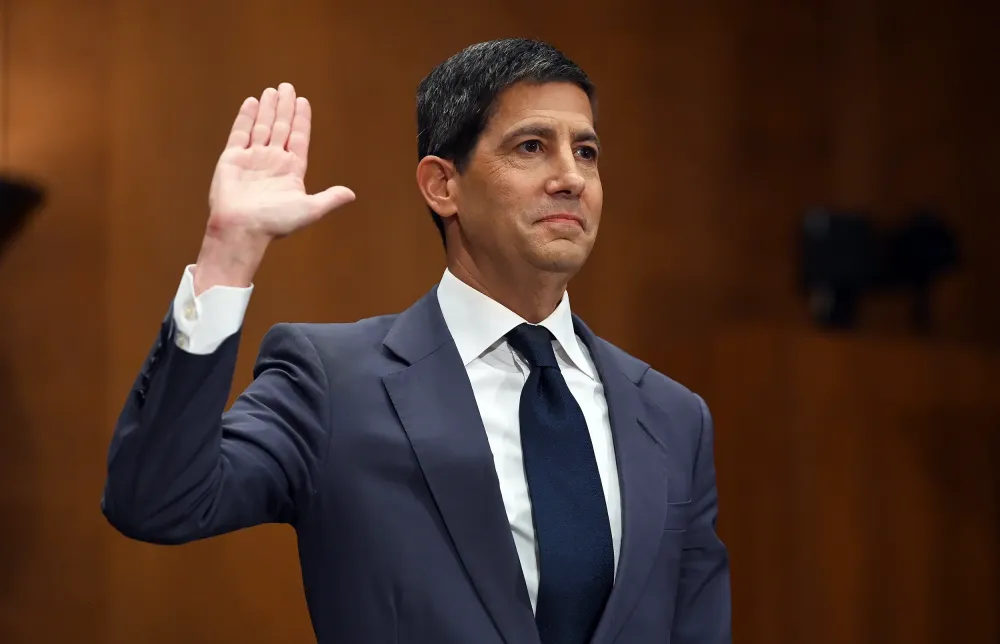
- Kevin Warsh is set to take over the Federal Reserve at a difficult moment, after the Senate confirmed him as the next Fed Chair.
- Warsh inherits a divided Fed, with at least five policymakers supporting a hawkish tone and raising rate-hike expectations.
- The policy backdrop now clashes with Trump’s call for rate cuts, raising questions over whether the Fed’s next move could be tighter rather than easier.
The US Senate approved the newly appointed Federal Reserve Chair Kevin Warsh on Wednesday, placing him at the helm of the Fed during a period of rising inflation and growing concerns about the central bank’s independence.
Partisan Confirmation Reflects Political Tensions
The Senate vote of 54-45 marked the most partisan Fed chair confirmation in history. Only one Democrat, John Fetterman of Pennsylvania, crossed party lines to support Warsh’s nomination. This tight margin surpassed the previous record set in 2014 when Janet Yellen was confirmed by a vote of 56-26. ⁽¹⁾
Warsh, a 56-year-old lawyer and financier, will begin his four-year term as chair once President Trump signs the necessary paperwork. The president, currently in China meeting with President Xi Jinping, intends to complete the process as soon as possible to “restore confidence in Fed decision-making”.
Taking Over During Turbulent Economic Times
Warsh is taking over the Fed in its most challenging environment in years. This week saw the release of US inflation data for April, and it wasn’t good news. CPI rose to 3.8% YoY, reaching three-year highs, while producer prices jumped to 6% YoY, rising at its fastest pace since December 2022.
The inflation data added concerns that inflation is broadening beyond the impact of Trump’s tariffs and surging oil prices from the Middle East conflict. The PCE index, the Fed’s preferred inflation gauge, is now expected to come in at 3.8% YoY for April. ⁽²⁾
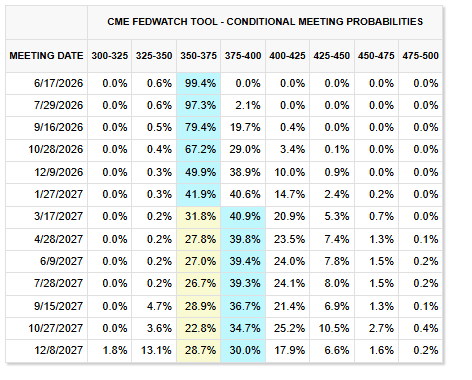
Financial markets now expect no rate changes this year, with some analysts predicting a potential rate hike as early as January 2027. This outlook clashes directly with Trump’s expectations when he selected Warsh, anticipating the new chair would deliver the rate cuts Trump wants. ⁽³⁾
Navigating a Divided Fed
Warsh will sit at his first FOMC meeting on June 16-17, where he needs to navigate through a divided committee. At least five FOMC policymakers have shifted their tone to hawkish, which in turn has raised rate hike expectations.
The labor market remains resilient, with the unemployment rate steady at 4.3%, while job additions showed strong numbers in both March and April. Fed policymakers will release fresh rate-path forecasts in June, replacing March’s projections that called for a single rate cut this year.
Questions About Independence
Many Democrats voted against Warsh, despite considering him qualified for the position. Their concerns center on whether he can resist growing political pressure from the White House. ⁽⁴⁾
These concerns stem from Trump’s campaign against the Federal Reserve. The administration attempted to fire Fed Governor Lisa Cook last year and launched a criminal investigation into outgoing chair Jerome Powell, though the Department of Justice has since dropped the probe.
Senator Elizabeth Warren accused Warsh of being a “sock puppet” for Trump during confirmation hearings, pointing to his shift from supporting rate hikes in 2024 under President Biden to advocating for cuts after Trump took office. ⁽⁵⁾
Warsh’s Approach and Background
At his confirmation hearing, Warsh told senators he made no promises on rates but vowed to deliver significant changes, including increased cooperation with the administration on non-monetary policy matters. ⁽⁶⁾
Warsh previously served as a Fed governor from 2006 to 2011 during Ben Bernanke’s tenure as chair. He expressed policy reservations during that period but never cast a dissenting vote before leaving the Board.
He replaces Jerome Powell, whose term as chair ends today, but will stay on as a Fed governor. Powell’s decision to remain on the Board was motivated by concerns about maintaining the Fed’s ability to set rates free from political pressure.


