

 ar
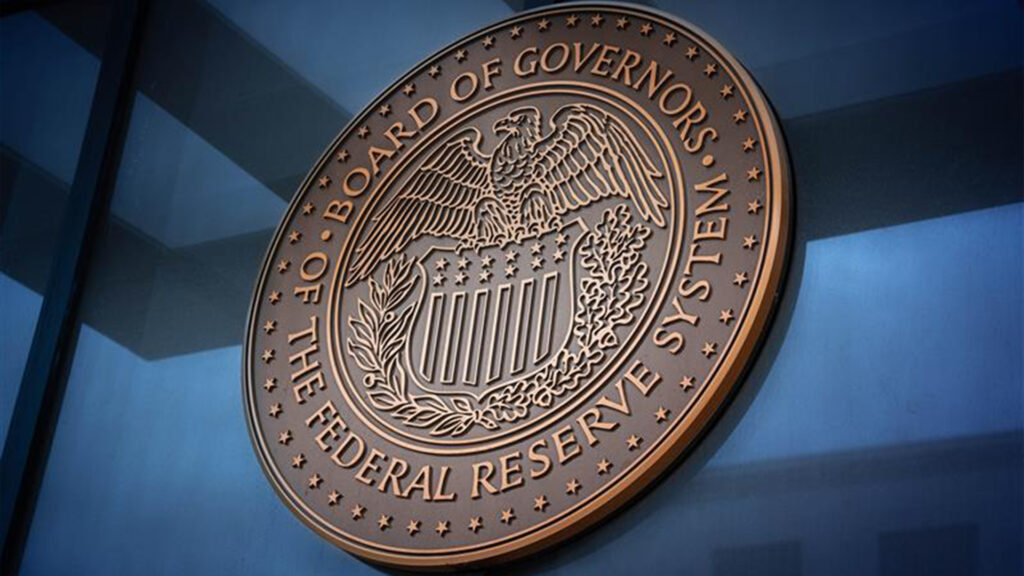
Federal Reserve policymakers are walking a tightrope between managing war-driven inflation risks and protecting a fragile labor market, according to minutes from their March meeting released Wednesday.
Cuts Still Expected Despite Headwinds
According to the minutes, most FOMC officials still see a small chance of one rate cut this year despite the uncertainty from the Middle East conflict and tariffs that are still clouding the economic outlook. ⁽¹⁾
“Many participants judged that, in time, it would likely become appropriate to lower the target range for the federal funds rate if inflation were to decline in line with their expectations,” the minutes stated. ⁽²⁾
The March decision has resulted in a 11-1 vote to keep the Fed Funds Rate unchanged at 3.75% while assessing the impact of the conflict on the US economy.
War Creates Dual Risk
The Middle East conflict has already created massive headaches for the Fed, as if the central bank can’t get enough from one side. Elevated oil prices continue to threaten to keep inflation high and squeezing household budgets and slow hiring.
“Many participants pointed to the risk of inflation remaining elevated for longer than expected amid a persistent increase in oil prices,” the minutes said. Others worried that years of high inflation could make price expectations more sensitive to energy shocks. ⁽³⁾
Alongside inflation risks, policymakers also noted risk to employment. If the conflict continues, it could damage the labor market and could create more job losses, leading to more rate cuts. Higher gas prices reduce consumer spending power, tighten financial conditions, and slow growth both domestically and abroad. ⁽⁴⁾
“The vast majority of participants judged that risks to the employment side of the mandate were skewed to the downside,” the minutes noted. “Many participants cautioned that, in the current situation of low rates of net job creation, labor market conditions appeared vulnerable to adverse shocks.” ⁽⁵⁾
Some Eye Potential Hikes
A growing minority of officials now see a case for rate increases if inflation stays stubbornly high. This marks a shift from January, when only a few policymakers brought up the idea of tightening policy. ⁽⁶⁾
“Some participants judged that there was a strong case for language acknowledging that rate hikes could be appropriate if inflation were to remain at above-target levels,” the minutes said. ⁽⁷⁾
Chair Jerome Powell recently warned that raising rates prematurely to counter an inflation spike could backfire, given how long it takes for Fed moves to work through the economy.
Waiting and Watching
Policymakers stressed the need to remain flexible as conditions evolve. The March meeting occurred just weeks after the US-Israeli attack on Iran which sent energy prices higher. A ceasefire announced two days ago led to a sharp drop in oil, though doubts remain about its durability.
“Most participants commented that it was too early to know how developments in the Middle East would affect the US economy and judged it prudent to continue to monitor the situation,” the minutes said. ⁽⁸⁾
Markets expect the Fed to stay on hold for now. GDP growth has slowed sharply, rising just 0.7% in late 2025 and tracking at 1.3% for early 2026. ⁽⁹⁾
Markets are also awaiting today’s core PCE index, which is expected to come in at 2.8% YoY and tomorrow’s CPI data to check how high oil prices are feeding into US consumers. Some analysts on Wall Street are raising recession odds as the economy shows signs of strain. ⁽¹⁰⁾


