ar
ar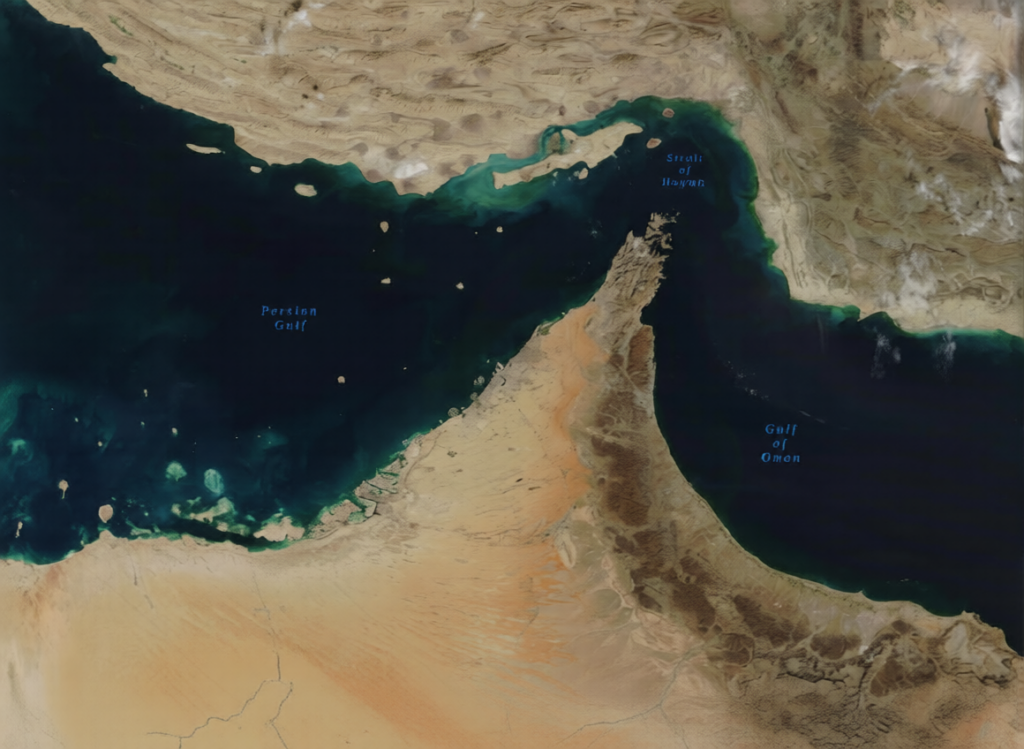
Financial markets start the week facing a sharp rise in uncertainty. Confirmed strikes involving the United States and Israel inside Iran, followed by Iranian retaliation targeting regional assets, represent a material shift in the geopolitical landscape.
For traders and investors, the conversation is moving quickly from reacting to headlines to assessing deeper risks. The focus is no longer just on the event itself, but on the duration of the conflict and how it transmits into energy flows, inflation, and monetary policy.
Markets are fluid and developments change by the hour. But in moments like these, clarity is your most valuable asset.
Understanding the Strait of Hormuz Risk
Iran has issued public warnings regarding transit through the Strait of Hormuz, a critical artery for global energy. In response, several major tanker operators have paused or delayed movements. ⁽¹⁾
It is important to distinguish between fear and reality. At this stage, there is no verified confirmation of a physical shutdown across the entire Strait. However, markets don’t wait for certainty, they price in probability.
A high-risk disruption environment is enough to trigger volatility, even without a sealed waterway.
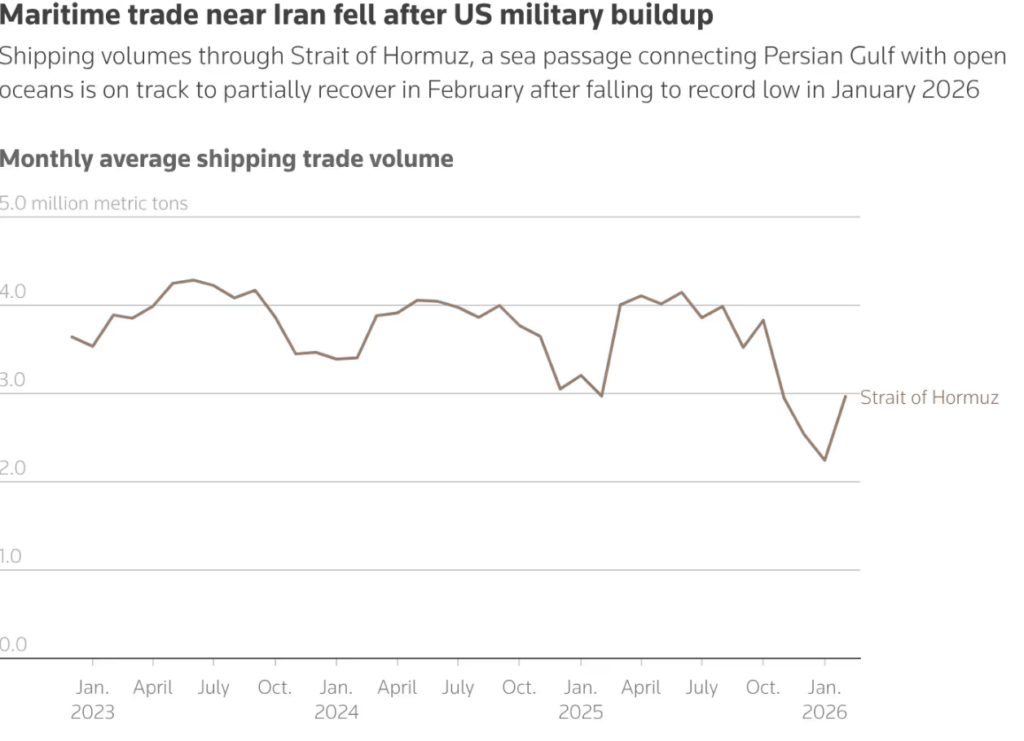
According to the U.S. Energy Information Administration (EIA), roughly 20 percent of global oil consumption passes through this strait. Even a partial disruption forces immediate repricing. ⁽²⁾
Watch the insurance markets. War-risk premiums for tankers have reportedly risen sharply, with industry estimates suggesting increases of 50 percent or more. When insurance costs surge, effective supply tightens. Ships hesitate, reroute, or wait. ⁽³⁾
That hesitation alone can move prices significantly.
Oil as the Direct Transmission Channel
Oil prices were already trading at elevated levels before this escalation. Now, with the return of a geopolitical risk premium, Brent and WTI are up more than 8%, with traders are pricing in three specific factors:
- The probability of prolonged shipping delays
- The risk of broader regional supply interruptions
- Supply tightening driven by rising insurance costs
Should disruption persist for days rather than hours, the upside risk in crude increases materially. If transit stabilizes quickly, initial spikes could moderate. But volatility is likely to remain elevated.
Importantly, OPEC+ has historically adjusted output during supply disruptions. However, spare capacity is concentrated primarily in Saudi Arabia and the UAE, and even increased production cannot offset supply if export routes themselves face constraints. ⁽⁴⁾
The Ripple Effects from Oil to Inflation
Energy is never just a commodity input. It is the lifeblood of transportation, manufacturing, food production, and logistics. When crude prices remain high, the costs of doing business rise across the board.
If these price levels sustain, we could see:
- Transportation and production costs rise
- Headline inflation face upward pressure
- Inflation expectations become less anchored
For central banks already navigating a delicate balance between growth and inflation moderation, sustained energy-driven price pressures complicate the path forward.
Higher oil prices can delay rate cuts, reinforce “higher for longer” interest rate narratives, and indirectly tighten financial conditions. This is particularly relevant for economies where inflation has only recently begun to stabilize.
Asset Class Implications
Energy Equities
Energy producers often benefit from higher oil prices due to improved revenue outlooks. However, volatility remains elevated.
Airlines, Transport, Industrials
Fuel-sensitive sectors may face margin pressure if energy costs rise sharply.
Precious Metals
Gold and silver typically attract flows during geopolitical stress as investors seek defensive positioning.
Equities Broadly
Broader equity indices can experience volatility as risk premium increases and earnings expectations adjust.
Bonds
Inflation-linked bonds may see renewed attention if markets price sustained energy-driven inflation pressure.
What Matters Most Right Now
This situation is less about one headline and more about duration and transmission. Markets are watching:
- Whether shipping disruptions persist
- War-risk insurance costs
- Physical oil flow data
- Official responses from Gulf producers
- Signals from central banks
Remember, markets do not wait for perfect clarity. They reprice based on probability, positioning, and risk.
The key variable now is whether this disruption remains temporary or evolves into a sustained supply constraint with broader macroeconomic consequences.
As developments unfold, expect volatility across energy, inflation expectations, and policy-sensitive assets to remain elevated.
Stay informed, stay strategic, and ensure your risk management aligns with the current market environment.