

 ar
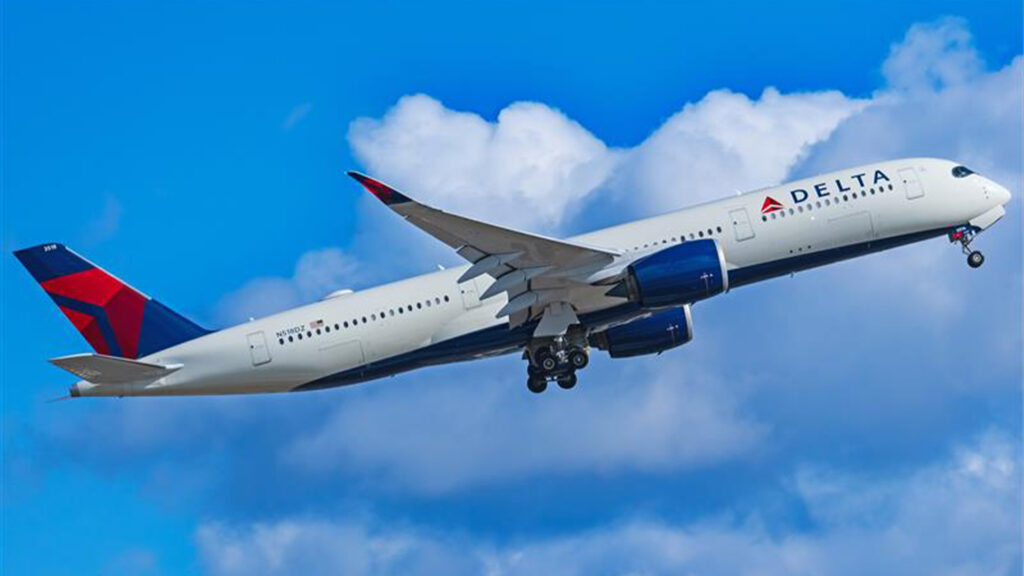
- Delta beat Q1 forecasts but slashed all capacity growth plans for the second quarter as fuel costs surge from Middle Eastern conflict.
- Jet fuel prices have nearly doubled since late February, forcing airlines across the industry to trim schedules and protect margins.
- The carrier plans to recover part of higher fuel costs through fare increases while travel demand remains strong, especially for premium seats.
Delta Air Lines beat Q1 forecasts but warned of lower profits ahead, citing surging fuel costs driven by Middle Eastern conflict. The carrier is slashing capacity growth and bracing for a turbulent second quarter.
Strong Start, Cloudy Outlook
Delta is the first major US airline to report Q1 earnings. Earnings per share came in at $0.64, topping its $0.57 forecast, with revenues hitting $14.2 billion against an expected $14 billion. Net income climbed to $423 million, up $291 million year-over-year, while revenue rose more than 9% in Q1. ⁽¹⁾
Delta expects Q2 earnings to come in at $1.25, below the anticipated $1.41. Revenue is estimated to be above 10% compared to the same period last year, with the airline expecting to post $1 billion in pre-tax profit in Q2. ⁽²⁾
CEO Ed Bastian said the airline isn’t walking back on its full-year forecast but isn’t updating it either because of fuel price uncertainty. In January, Delta forecast full-year earnings figure of $6.50 to $7.50 per share and projected potentially record earnings this year. ⁽³⁾
“As we gain more knowledge of the impact of the duration of the fuel spike over the course of the next couple of months, we’ll be in a better position,” Bastian said.
Fuel Shock Hits the Industry
The outlook highlights the growing strain fuel costs are placing on airlines after the Middle Eastern conflict sent shockwaves through energy markets. Since late February, jet fuel prices have nearly doubled, marking the industry’s first major post-pandemic stress test.
Bastian warned the spike would accelerate structural changes across the industry, separating winners from losers and forcing weaker carriers to step back.
Fuel typically makes up about a quarter of airline operating costs, leaving carriers exposed when prices jump faster than fares, with tickets often sold weeks or months in advance. ⁽⁴⁾
Delta expects to pay $4.30 per gallon for jet fuel in Q2, adding more than $2 billion to costs compared with last year. Jet fuel prices in major US cities have been up nearly 88% since late February through now. ⁽⁵⁾
Delta’s Secret Weapon
The airline owns a refinery near Philadelphia that converts crude oil into jet fuel, giving it an edge over rivals. The facility was acquired in April 2012 from Phillips 66. Delta expects a $300 million benefit from the refinery in Q2, up from $60 million in Q1 as refining margins widened. ⁽⁶⁾
“We don’t know where fuel is going to go, but to the extent fuel stays elevated, that refinery will continue to help us” Bastian said.
Industry Braces for Extended Crisis
United Airlines CEO Scott Kirby has said his carrier is modeling for Brent crude prices to rise as high as $175 a barrel and remain above $100 through 2027. ⁽⁷⁾
There were early signs of relief after US President Trump said a two-week ceasefire agreement had been reached with Iran. Oil prices dropped sharply yesterday after Trump said he agreed to suspend planned attacks on Iranian infrastructure for two weeks, and Iran agreed to open the key Strait of Hormuz shipping channel.
To conserve fuel and protect margins, airlines have begun trimming schedules, particularly on lower-margin routes. Since March 13, US carriers have reduced planned domestic capacity growth by more than half a percentage point. Capacity is the measure of passenger seats or cargo. ⁽⁸⁾
The surge in fuel prices has caused damage to the industry, with weaker airlines more likely to be impacted as they could cut capacity, take on debt or absorb more losses, while the big companies continue to invest and gain market share.
Demand Holds Despite Higher Fares
Delta aims to recover 40% to 50% of higher fuel costs through fare increases in Q2, though Bastian said fully recapturing the increase would take longer. ⁽⁹⁾
Demand remains robust, as ticket sales rose at a double-digit pace YoY over the past month, with momentum carrying into Q2. Premium-ticket revenue was up 14% in Q1 over last year, while main cabin revenue increased for the first time since late 2024. ⁽¹⁰⁾
Bastian said higher-income travelers remain resilient, and Delta has yet to see any pullback in demand despite rising prices. He played down concerns that higher fares and fees could weigh on demand.
Bastian noted Delta did see a pullback in some business travel during the TSA lines at airports which lasted for hours in March due to the partial government shutdown, but that travel segment appears to have recovered.


