ar
US voters choose the next Congress this week, while Friday’s jobs report tests the strength of hiring after the Fed’s October pause.
The Bank of England and Reserve Bank of Australia also decide on rates, keeping borrowing costs in focus.
Apple and AMD round out the earnings calendar, with iPhone demand, profit margins and AI chip sales all under scrutiny.
Calendar Events
- US ISM Manufacturing PMI – Nov. 2
- Reserve Bank of Australia Interest Rate Decision – Nov. 3
- US JOLTS Job Openings – Nov. 3
- US Midterm Elections – Nov. 3
- New Zealand Unemployment Rate – Nov. 4
- Eurozone Flash CPI – Nov. 4
- US ISM Services PMI – Nov. 4
- Bank of England Interest Rate Decision – Nov. 5
- Canada Unemployment Rate – Nov. 6
- US Unemployment Rate – Nov. 6
- US Average Hourly Earnings – Nov. 6
- US Non-Farm Payrolls – Nov. 6
Top Things to Watch
1. US Midterm Elections
US voters head to the polls on Tuesday with Democrats favored to regain the House and the Senate still too close to call. The result will shape President Trump’s ability to pass legislation during his final two years in office.
A Democratic House would make new Republican tax and spending measures harder to pass. For markets, the consequences run through company earnings and public finances: corporate taxes affect the profits businesses retain, while tax and spending decisions shape the deficit and government borrowing needs.
2. US Labor Market Data
October’s US jobs report is due on Friday. Economists expect employers to add 65,000 jobs, compared with September’s 29,000. September’s JOLTS job openings arrive on Tuesday, followed by October’s ADP private payrolls on Wednesday.
The Fed held rates at 3.75–4.00% last week, with elevated inflation keeping further hikes on the table. Unemployment and payroll revisions will help establish whether the hiring slowdown is deepening, while wage growth provides another reading on pay pressures. Further weakness in employment would complicate the case for tighter policy.
3. Oil Falls as Diplomatic Hopes Build
Brent and WTI fell more than 3% in Asian trading earlier today as Qatar-led talks raised hopes of an agreement to end the war with Iran. The absence of major military escalation over the weekend also eased immediate supply concerns, reversing part of Friday’s gains.
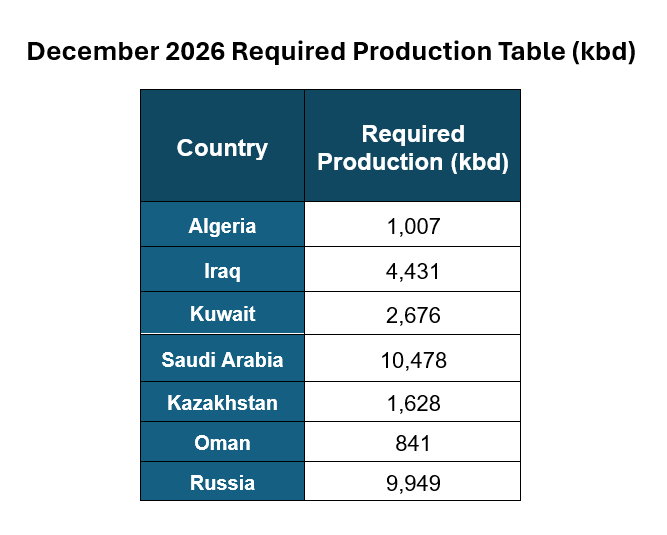
Seven OPEC+ producers agreed on Sunday to keep December production targets unchanged at September levels. However, most participating countries are still producing below target as the conflict disrupts exports. The recovery of those flows—and the possibility of renewed US strikes after Tuesday’s midterm elections—remain key uncertainties for oil supply.
4. Apple & AMD Earnings
Apple reports after Monday’s stock market close, having guided to year-on-year revenue growth of 9–11%. Its results will show how rising memory costs and supply constraints are affecting profitability, while iPhone sales and the holiday-quarter outlook provide a reading on demand.
AMD follows after Tuesday’s close, with quarterly revenue guidance of around $13 billion, up 41% year on year. Its data-center results will indicate how demand for AI chips is translating into sales. The next quarter’s guidance will show whether the company expects that rapid expansion to continue.
5. Bank of England Interest Rate Decision
The Bank of England is expected to raise rates by 25 basis points to 4.00% on Thursday. Inflation rose to 3.5% in September, and stronger services inflation and wage growth have added to the pressure on policymakers to act.
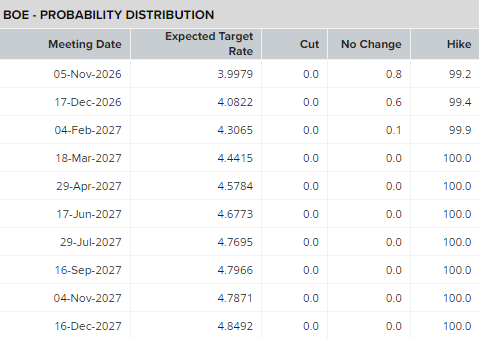
The vote split will reveal how broadly officials support higher rates. Updated forecasts will set out how quickly the BoE expects inflation to ease and how tighter policy affects its growth outlook, providing context for market expectations of another increase by February.
6. Reserve Bank of Australia Interest Rate Decision
Markets favor a 25-basis-point RBA increase to 4.85% on Tuesday, November 3, which would mark its fifth hike this year. Headline inflation climbed to 4.3% in September from 4.0% in August, strengthening the case for another increase after September’s move.
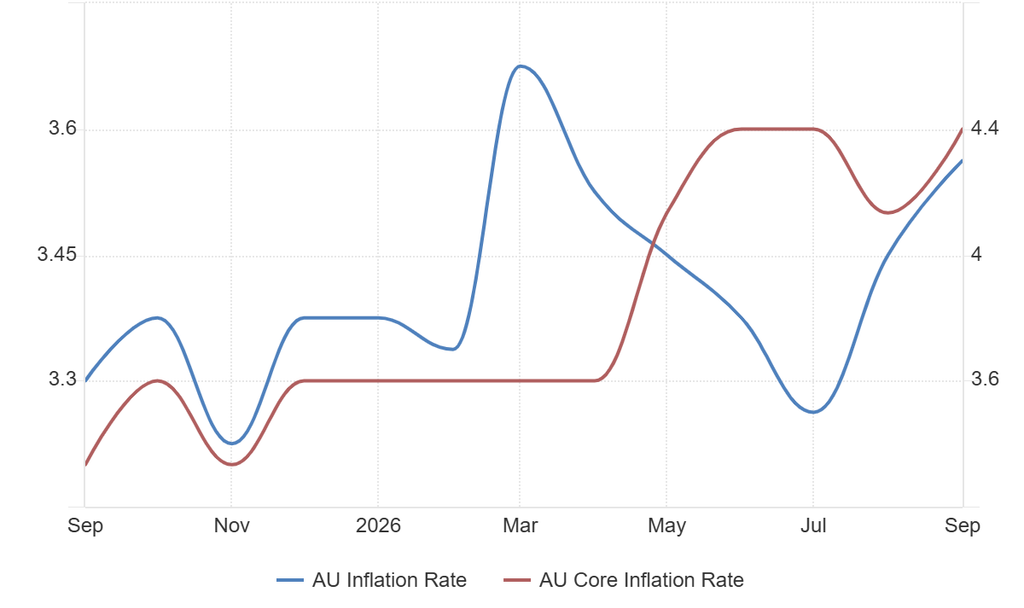
Trimmed mean inflation also rose to 3.6%, showing that price pressures extend beyond fuel. The updated forecasts will indicate when the RBA expects inflation to return to its 2–3% target. Governor Michele Bullock’s statement and comments on the decision will add detail on whether officials believe further increases are needed.