ar
ar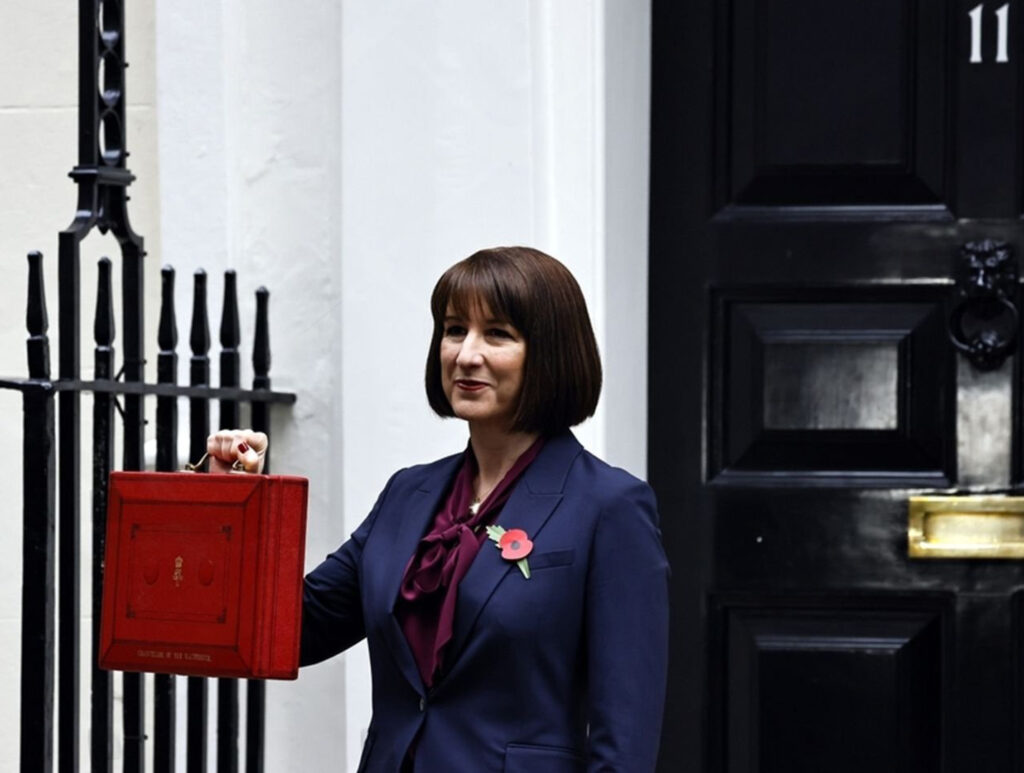
- The upcoming Autumn Budget places Chancellor Rachel Reeves under pressure to close a large fiscal gap, control borrowing and support living costs.
- Markets are cautious as tax uncertainty could hurt the pound and push up borrowing costs as investors assess fiscal credibility against growth risks.
The upcoming UK Autumn Budget places Chancellor Rachel Reeves in the spotlight of a balancing act: stabilizing public spending, improving investor confidence, addressing living cost pressures, and trying to avoid the consequences of unavoidable tax increases.
These factors have already been seen by markets, where Reeves’ refusal to rule out further tax hikes has weighed on the British pound while pushing UK bond yields up, an indication that investors want fiscal discipline but fear it could hurt growth.
A Budget Built Around Tax Rises and Cost-of-Living Support
Chancellor Reeves is preparing the budget amid a widening financial gap of £20 billion and borrowing figures that have already risen above the Office for Budget Responsibility expectations by almost £10 billion in 2025. ⁽¹⁾
Financial markets were volatile after the announcement of the changes in income taxes, which initially sought to raise income taxes, but then later abandoned the hike. The idea was scrapped following concerns that the move would anger voters and deepen tensions with discontented Labour lawmakers.
Despite the expectations that last year’s rise in national insurance would be the last major increase, Reeves is returning with another tax package aimed at restoring fiscal confidence. Reeves also promised to improve living costs, scrap welfare limits, and freeze rail fares. ⁽²⁾
Reeves is also expected to widen her fiscal safety margin, raising it from £9.9 billion to at least around £15 billion to reinforce her pledge to day-to-day spending with tax receipts 2029-30. ⁽³⁾
How Could the Budget Impact the Pound?
The Autumn Budget’s impact on the relationship between monetary policy expectations and fiscal tightening may determine the pound’s next course. Here are four potential scenarios and their possible impact on the pound:
- Credible, Managed Discipline
A balanced budget that includes tightened national insurance policies, tax hikes on dividends and capital gains, could be viewed as credible, which could work to stabilize the pound.
- Aggressive Consolidation
A budget with an aggressive tone of lower spending and higher tax rates may add additional hurdles to growth, which could pressure the pound and create a dovish stance from the Bank of England.
- Inflationary Fiscal Measures
Tax adjustments that could reignite inflation while maintaining fiscal credibility could slow down the pace of rate cuts from the BOE.
- Weak Credibility or Looser Rules
Concerns about debt sustainability would resurface if there were any indications of postponed revenue measures, higher borrowing or loosened fiscal policy. Reminding markets of the 2022 mini-budget’s credibility failure, this could trigger a shock in markets, which could lead to a possible bearish reaction in the pound. ⁽⁴⁾
What Comes After Budget Day?
The pound’s future path will depend on how well the upcoming budget aligns with monetary policy. A credible, stabilized inflationary budget could allow the BOE to cut rates gradually, while an inflationary budget could delay rate cuts.
Rachel Reeves is facing a tough challenge, as her goal is to provide relief to households, fiscal discipline, and avoid political pressures while trying not to make any mistakes that could hurt the UK currency.
Wednesday’s Budget will determine whether markets see the budget tighten responsibly or overreach the cost of growth and credibility.