ar
ar
- The Federal Reserve raised interest rates by 25 basis points to 3.75%–4.00%, delivering its first hike since 2023 in a unanimous decision.
- New projections showed that 16 of 18 FOMC participants expect at least one more hike this year, while inflation is not projected to return to 2% until 2029.
- The hawkish decision lifted the US dollar and Treasury yields, while stocks and gold declined as markets assessed whether another hike could come in October or December.
The Federal Reserve raised its Fed Funds Rate yesterday, ending a long stretch of no action and setting the stage for possibly one more increase before the end of the year.
The Federal Open Market Committee voted unanimously to lift the rate by a quarter point, pushing the target range to 3.75%-4%. It was the central bank’s first hike since 2023, and the first policy move under new Fed Chair Kevin Warsh.
A Move Wall Street Saw Coming
The decision wasn’t a surprise, as traders had already priced in a 93% chance of a rate hike before the meeting. ⁽¹⁾
The vote turned out to be unanimous. In the FOMC statement, the committee stated that inflation is still too high and that the decision would help move it back toward its 2% target. ⁽²⁾
The reasons behind the decision were persistent inflation, resilient domestic demand, robust capital investment and renewed energy-price pressures linked to the Middle East conflict. At the same time, the labor market has held up better than expected, giving policymakers more room to act. ⁽³⁾
Warsh Explains the Call
During his press conference, Warsh said that inflation remained elevated for too long, and that the Fed needed to be confident that underlying inflation was moving towards its objective.
He said a wide-ranging set of data, including the labor market, showed the economy had strengthened, pointing to resilient domestic spending, strong productivity growth, and robust capital investment.
He called the rate hike the right decision, saying he would be hard-pressed to describe broad financial conditions as restrictive. Notably, the Fed also dropped previous language attributing elevated inflation to supply shocks, a sign officials now see price pressures as too broad for comfort. ⁽⁴⁾
Another Hike Likely This Year
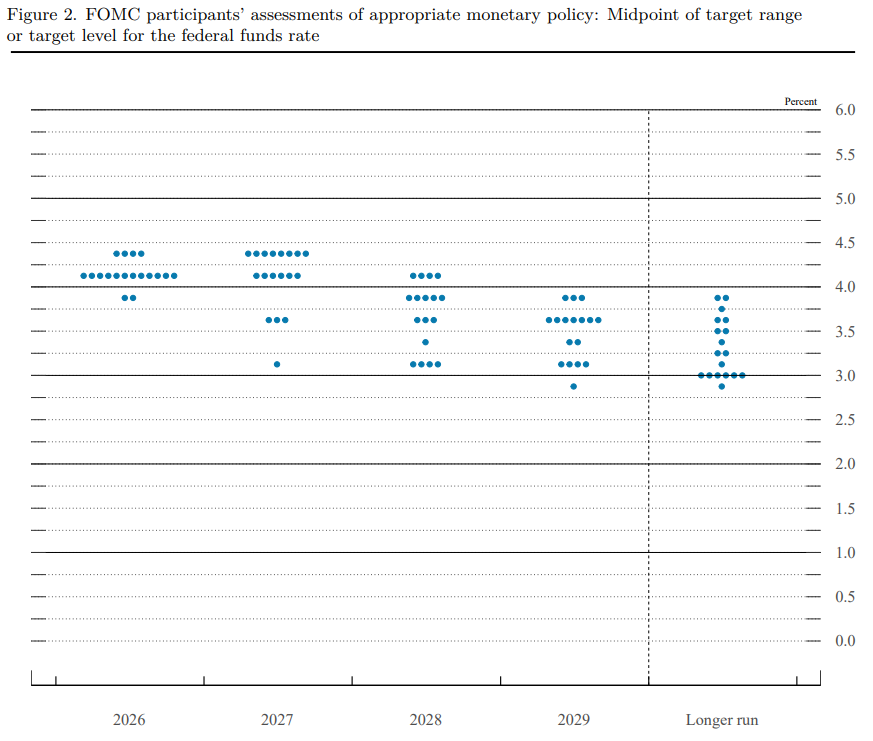
New projections released alongside the decision show most officials expect at least one more rate increase before year-end according to the dot-plot. Of the 18 FOMC participants, 16 pointed to another hike, with four of those seeing two more as possible. Only two expected the committee to stop at one hike.
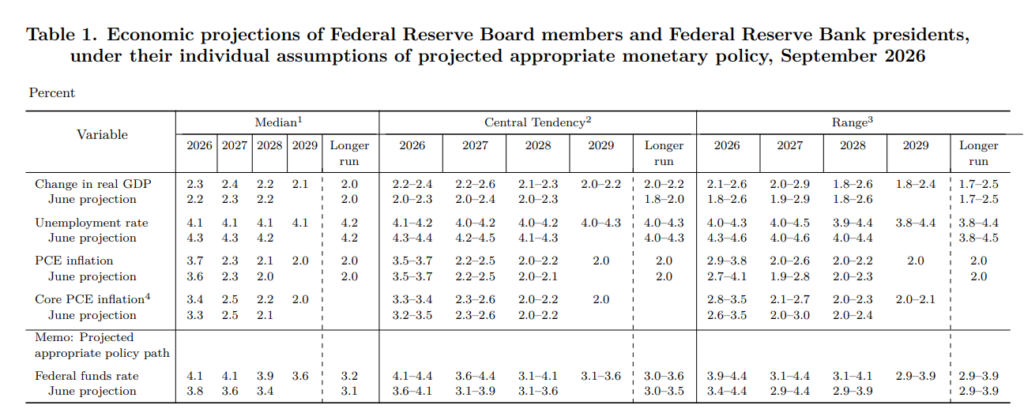
Officials also raised their forecasts for inflation, expecting core inflation to be at 3.4% and headline at 3.7% this year, both 0.1 percentage points higher than June’s forecasts.
The median projection shows inflation returning to 2% in 2029. Growth forecasts were upgraded while unemployment forecasts were lowered.
Trump Renews His Call for Lower Rates
President Trump quickly renewed his call for lower rates, arguing that the policy rate should be 1%. He argued that America’s strong credit position justified much lower borrowing costs and criticized the concept of a trade deficit. ⁽⁵⁾
The remarks echoed those previously directed at former Fed Chair Jerome Powell and came less than two months before the midterm elections, as Republicans were already facing voter frustration over high gas prices and rising mortgage rates. ⁽⁶⁾
Market Reaction
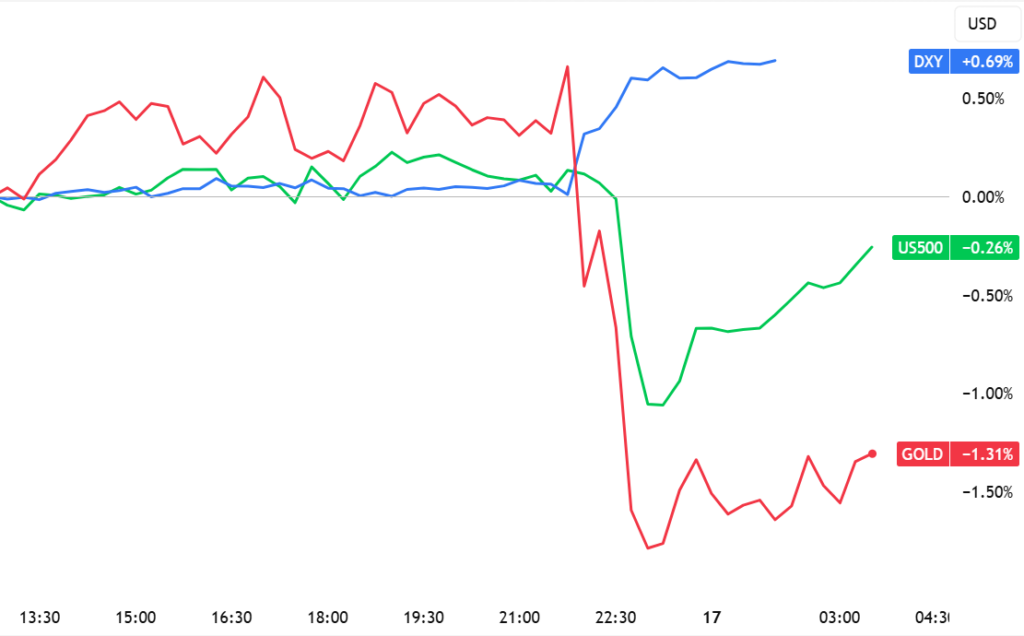
After the decision was announced, financial markets reacted sharply. The US dollar index surged almost 0.70%, reaching a seven-week high and was supported by the surge in Treasury yields as the Fed turned hawkish and expects one more hike this year.
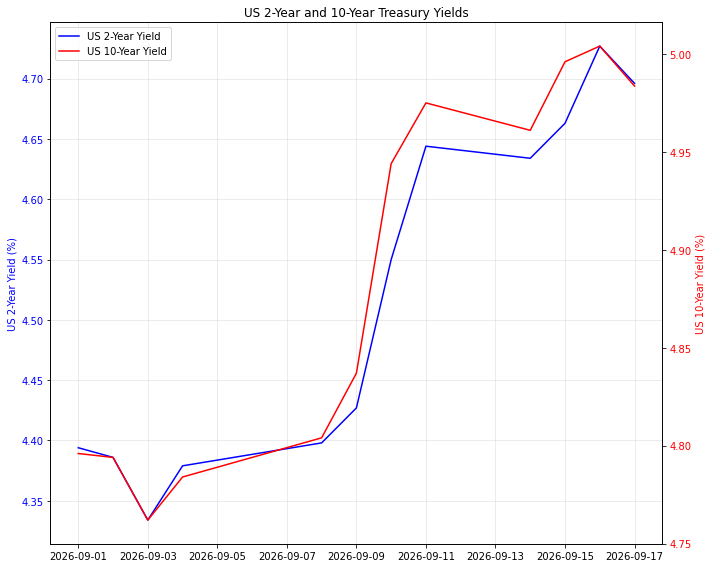
The 2-year yield climbed to its highest level since July 2024, as traders repriced the short-term path of monetary policy.
The 10-year yield held above 5% during the decision and press conference before slipping below that level, although stronger growth forecasts, persistent inflation and higher-for-longer rate expectations kept it elevated.
However, further tightening could weaken demand, slow economic activity, and put pressure on yields.
US stocks erased earlier gains and turned lower during Warsh’s press conference. Higher yields weighed on valuations, particularly among small-cap stocks and highly indebted companies. All three major indices closed lower.
Gold also fell post-decision and during the press conference before paring back part of the decline, while persistent geopolitical risks continued to provide some support.
Volatility is expected to remain elevated for a while, as Warsh did not commit to when the Fed might hike again, leaving the policy path dependent on upcoming data.
Markets will now await the next batch of data to determine whether that hike will come in October or December.