ar
ar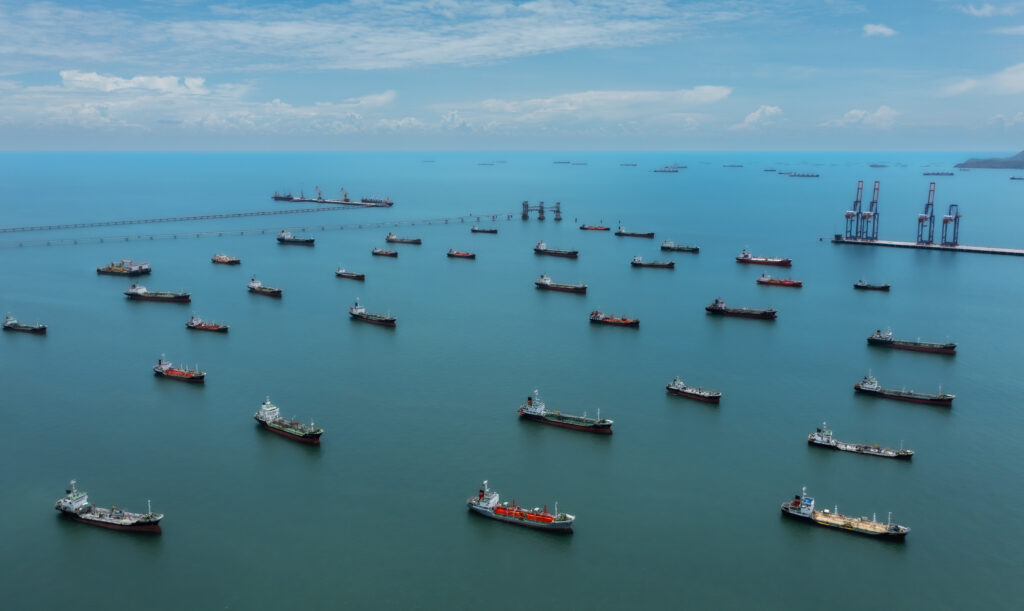
- Around 20 million barrels of oil pass through the Strait of Hormuz each day, representing roughly one-fifth of global oil consumption and more than a quarter of all seaborne crude trade. ⁽¹⁾
- The Strait’s importance is structural, as most Gulf producers have no practical alternative export route for the majority of their output.
- Existing bypass pipelines cover only a fraction of Hormuz volumes, which is why a credible disruption threat reprices risk across global oil markets immediately.
The Strait of Hormuz is one of the smallest places on the map with one of the biggest roles in global markets.
At its narrowest point, the shipping lanes are only a few miles wide. Yet every day, around 20 million barrels of oil move through this passage, equal to roughly one-fifth of global oil consumption and more than a quarter of seaborne crude trade. ⁽¹⁾
That is why traders watch Hormuz so closely. It is the main exit point for oil from the Persian Gulf, connecting major producers such as Saudi Arabia, Iraq, Kuwait, Qatar and the UAE to energy-hungry markets across Asia and beyond.
How the Strait Became Irreplaceable
The Strait’s importance reflects a structural supply reality. Most of the OPEC producers and Gulf states that hold a disproportionate share of the world’s conventional oil reserves border the Persian Gulf. For the majority of their output, Hormuz is the main exit.
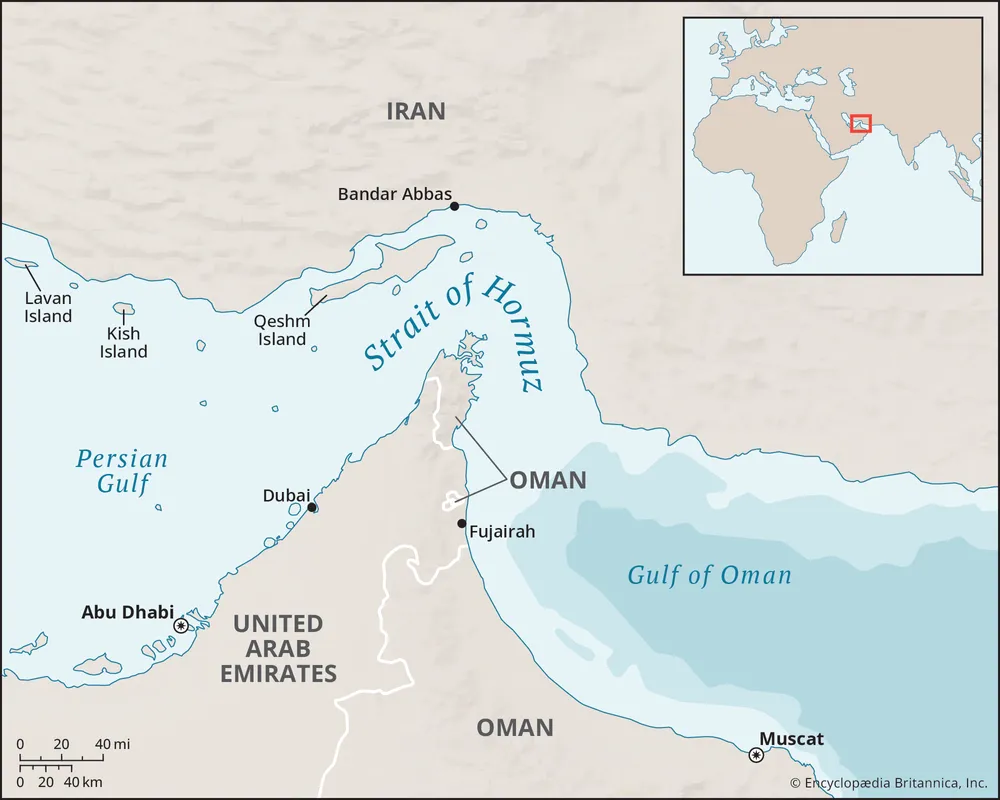
Saudi Arabia moves more crude and condensate through the Strait than any other country. In 2024, Saudi exports accounted for 38% of total Hormuz crude flows, or around 5.5 million barrels per day. ⁽¹⁾
Asian markets received roughly 84% of all crude transiting the Strait that year. ⁽¹⁾ For those importers, there is no equivalent alternative supply source at that scale.
How Disruption Threats Move Oil Markets
When the Strait faces a credible threat, oil markets reprice risk immediately. The mechanism is direct: any reduction in available supply raises the cost of sourcing crude from elsewhere, and Brent responds as a globally traded benchmark.
The 2019 attack on Saudi Aramco’s Abqaiq processing facility illustrates the sensitivity.
Brent jumped 14.6% in a single session as markets priced the possibility of a sustained supply loss. ⁽²⁾ Prices retreated quickly once Saudi Arabia confirmed that output had recovered. The episode shows how risk is repriced fast, even when actual disruption proves short-lived.
This pattern is not new. During the 1984–1988 Iran-Iraq Tanker War, attacks on over 500 vessels pushed insurance rates up sharply and drew U.S. naval escorts into the Strait. ⁽²⁾
The Strait has served as a pressure point in global energy markets through multiple geopolitical cycles.
The Chain Beyond Crude
The Strait carries more than oil. Around one-fifth of global liquefied natural gas trade also passes through it each year, the majority exported from Qatar. ⁽¹⁾
A sustained disruption would transmit well beyond energy markets. Higher crude prices feed into transport costs, industrial inputs, and consumer energy bills across oil-importing economies.
For GCC states, prolonged Hormuz tension creates a fiscal paradox. Higher oil prices may support revenue, but the same disruption also raises export risk, shipping costs and geopolitical pressure around the region’s most important energy route.
Alternative Routes and Their Limits
Two pipelines offer partial bypasses. Saudi Arabia’s East-West Pipeline runs from the Abqaiq processing centre to the Red Sea port of Yanbu, with a design capacity of around 7 million barrels per day. ⁽³⁾
The UAE’s Abu Dhabi Crude Oil Pipeline runs to Fujairah on the Gulf of Oman, with a capacity of approximately 1.5 million barrels per day. ⁽³⁾
Together, these routes can provide several million barrels per day of bypass capacity, often estimated at around 3.5 to 5.5 million barrels per day depending on available spare capacity and operating conditions. ⁽³⁾
Against a daily Hormuz throughput of 20 million barrels, that gap explains why the Strait remains structurally difficult to replace.
Conclusion
The Strait of Hormuz carries strategic weight because geography and infrastructure leave oil markets with few easy alternatives.
More than a shipping lane, the Hormuz Strait is the exit point for a major share of the world’s most traded crude, at a scale no existing bypass can fully replace.
That is why Hormuz risk can move oil prices even before a physical disruption occurs. In energy markets, the threat alone can be enough to change expectations.