

 ar
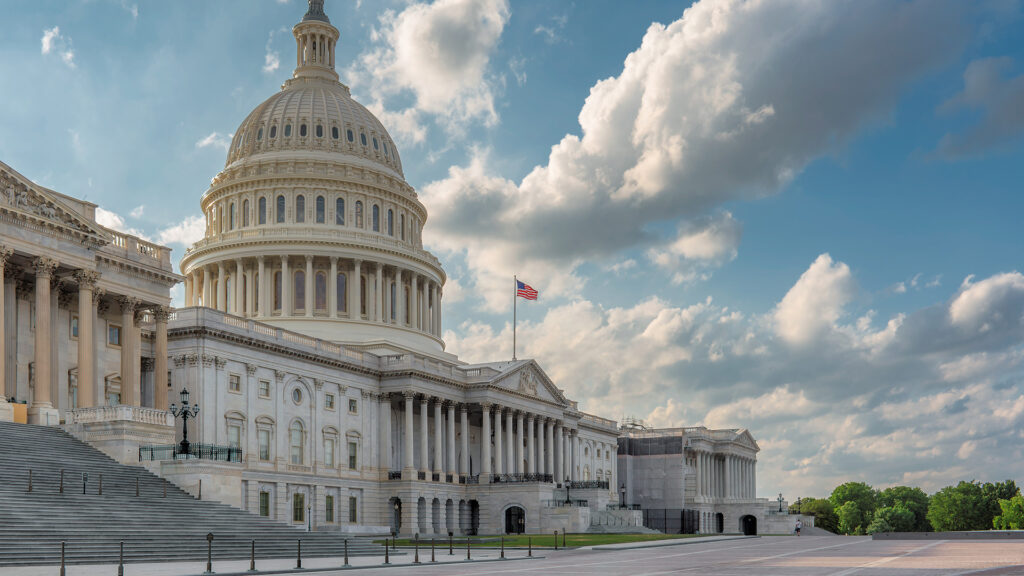
- Trump’s State of the Union address pitched a “golden age” narrative, pointing to tax cuts and market performance, even as polls show weak approval and persistent voter frustration over living costs.
- He claimed inflation is easing and the economy is strengthening, but recent data and household pressures (housing, groceries, insurance) continue to complicate that message.
- The Supreme Court struck down most of his tariff policy days before the speech, and Trump offered no clear plans on major issues like Iran, Ukraine, or China.
President Donald Trump delivered the first official State of the Union address of his second term on Tuesday.
The annual speech, where the standing president addresses Congress and sets out the priorities for the year ahead, saw Trump paint an optimistic picture of America despite falling approval ratings and rising voter frustration.
The speech came at a difficult point in his presidency, with major policy setbacks and midterm elections less than nine months away.
Trump Says America Is “Back”
Trump opened his address to cheers from Republican lawmakers, declaring that the country had entered “the golden age of America.” He claimed to have slowed inflation, boosted the stock market, cut taxes, and lowered drug prices. “Our nation is back, bigger, better, richer and stronger than ever before,” he told Congress. ⁽¹⁾
However, many Democratic lawmakers were not in the room to hear it. Dozens skipped the speech to attend anti-Trump rallies outside the Capitol.
The Economy: A Mixed Picture
The economy was the centerpiece of Trump’s speech, taking up nearly the first hour. Republican lawmakers had urged him to focus on it, worried they could lose their congressional majority in November.
Trump blamed former President Biden for high prices, but polls show that voters hold Trump himself responsible for not doing enough to bring costs down.
While Trump said inflation is “plummeting,” grocery, housing, insurance, and utility prices remain much higher than they were a few years ago. Fresh economic data released on Friday showed the economy grew slower than expected while inflation actually sped up. ⁽²⁾
Legal Setbacks and Foreign Policy
The speech came just days after the Supreme Court struck down most of Trump’s tariff policy, a major blow to his economic agenda.
Trump called the ruling “unfortunate” but claimed it would not have much impact. He shook hands with the four justices present as he entered the chamber, holding back the sharp personal criticism he had directed at the court just days before. ⁽³⁾
On foreign policy, Trump claimed to have ended eight wars, a statement that fact-checkers have called an exaggeration. He barely mentioned Ukraine, even though Tuesday marked the fourth anniversary of Russia’s invasion.
He said nothing about China or Greenland, and gave no clear answer about his plans regarding Iran, despite rising fears of military conflict. ⁽⁴⁾
Immigration: Same Message, Same Debate
When Trump turned to immigration, he repeated familiar claims from his 2024 campaign, arguing that undocumented migrants were driving a surge in violent crime. His remarks triggered shouting exchanges with several Democratic lawmakers in the chamber. ⁽⁵⁾
What Comes Next
Trump is still facing a tough journey, as polls indicate that the majority of Americans are unhappy with his performance, and Democrats are using the cost of living as leverage against the President ahead of the midterm elections, the same strategy that was used by Republicans in the 2024 elections.
With control of Congress potentially at stake, Tuesday’s speech was a key moment for Trump to try to turn the tide. Whether his optimistic message connected with frustrated voters remains to be seen.


