ar
ar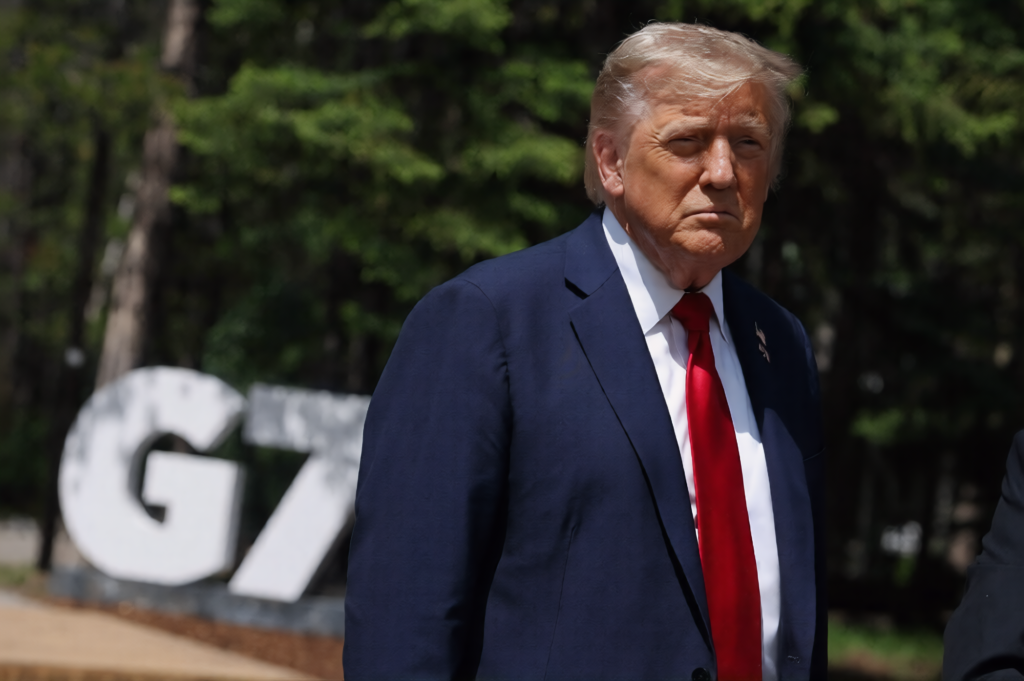
The G7 meeting in France will share the spotlight with central banks this week, as leaders discuss the US-Iran deal, the war in Ukraine, trade tensions, and AI regulation.
Traders will also watch a busy central bank calendar, including the BOJ, RBA, Fed, SNB, and BOE decisions, with higher oil prices keeping inflation in check.
Calendar Events
- Bank of Japan Interest Rate Decision – Jun. 16
- Reserve Bank of Australia Interest Rate Decision – Jun. 16
- UK CPI – Jun. 17
- US Retail Sales – Jun. 17
- Federal Reserve Interest Rate Decision – Jun. 17
- New Zealand GDP – Jun. 18
- UK Unemployment Rate – Jun. 18
- Swiss National Bank Interest Rate Decision – Jun. 18
- Bank of England Interest Rate Decision – Jun. 18
Top Things to Watch
G7 Summit Begins as US-Iran Deal Takes Center Stage
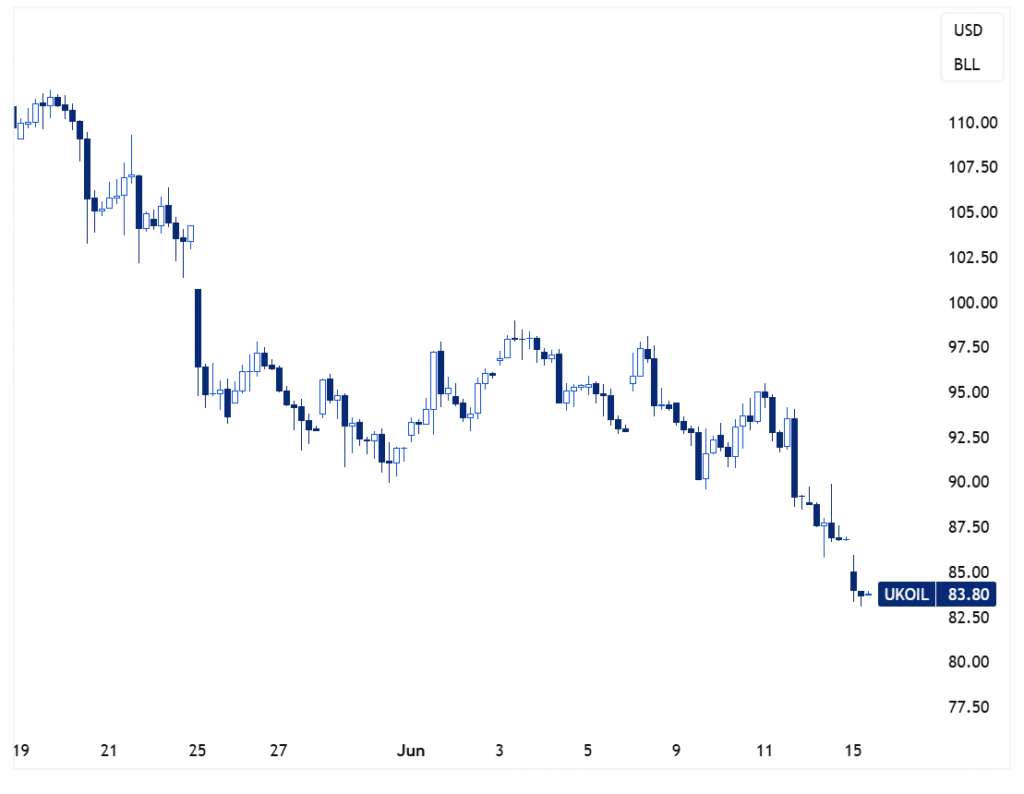
G7 leaders meet in France this week with the US-Iran deal expected to dominate the agenda, shortly after both sides said they had reached a preliminary agreement to end the Middle East war, which caused oil prices to drop more than 3%.
The summit, held from June 15 to 17, and the focus will be on the next steps for Iran, including the expected reopening of the Strait of Hormuz, the end of US restrictions on Iranian ports, and a wider 60-day ceasefire period aimed at negotiating sanctions relief and Iran’s nuclear program.
But Iran will not be the only issue on the table. Leaders are also expected to discuss the war in Ukraine, global trade imbalances, critical minerals, artificial intelligence, and growing tensions between the US and its allies.
With Trump arriving as many global leaders question the US role in the world order, this year’s G7 could become one of the most politically sensitive summits in years.
Japan’s Rate Decision Without Its Governor
The Bank of Japan will begin the week with its interest rate announcement on Tuesday, but this time its governor won’t be taking the wheel.
Governor Ueda has been hospitalized and will miss the meeting, where the BOJ is expected to hike interest rates by 25 basis points to 1%, as policymakers continue to respond to persistent inflation pressure, higher energy costs, and yen weakness.
Ueda will submit a written view but will not attend, vote, or chair the meeting. Deputy Governor Ryozo Himino will preside, while Deputy Governor Shinichi Uchida will handle the press conference.
The rate decision is not expected to change. The bigger question is what comes after it. With Ueda absent, the BOJ may choose not to send clear signals on the future rate path, adding uncertainty over whether another hike is possible later this year.
A Hold for Now From the RBA
The Reserve Bank of Australia raised its Cash Rate by 25 basis points to 4.35% in May, which marked its third rate hike this year.
But now, a rate hold is expected in its meeting on Tuesday as the RBA stated that monetary policy is now well placed to respond to developments, signaling room to pause and assess how the economy evolves.
The RBA is expected to keep a cautious tone, as inflation remains sticky while higher borrowing costs continue to weigh on households and the broader economy.
Markets will be watching whether policymakers pause after the latest hike or keep the door open for another move later this year.
Warsh Takes the Chair, Rates Stay on Hold
Kevin Warsh will start his first FOMC meeting during its two-day meeting on Tuesday and Wednesday, where markets are widely expecting a rate hold at 3.75%.
The latest data has diminished dovish stances among policymakers, which also even led to rising expectations of rate hikes later this year as inflation runs hot due to surged energy prices.
Inflation rose to 4.2% YoY in May, the highest in three years, while monthly CPI came in at 0.5%. At the same time, the labor market remains strong after the economy added 172,000 jobs in May, with unemployment holding at 4.3%.
The focus will be on how Warsh frames the inflation outlook and whether his first statement shifts the committee’s tone in any direction.
Another Hold, But Pressure Is Building
The Bank of England announces its next rate decision on June 18, and a hold at 3.75% is the expected outcome. What makes this meeting worth watching is what the MPC says, not what it does.
Inflation fell to 2.8% in April, down from 3.3% in March, as a reduction in the household energy price cap helped soften earlier pressure. The relief may not last. The BOE has warned that the war in Iran has pushed energy prices higher, meaning inflation will probably rise further this year.
That has shifted the conversation away from cuts. Goldman Sachs flagged a low hurdle for the BoE to deliver hikes over the summer if energy pressures continue to build, while the BOE itself has noted that the full impact of the inflation shock on wages may not show up in the data until later this year.
The upcoming CPI and labor market data will be released throughout the week and could give more insights on guidance.