ar
ar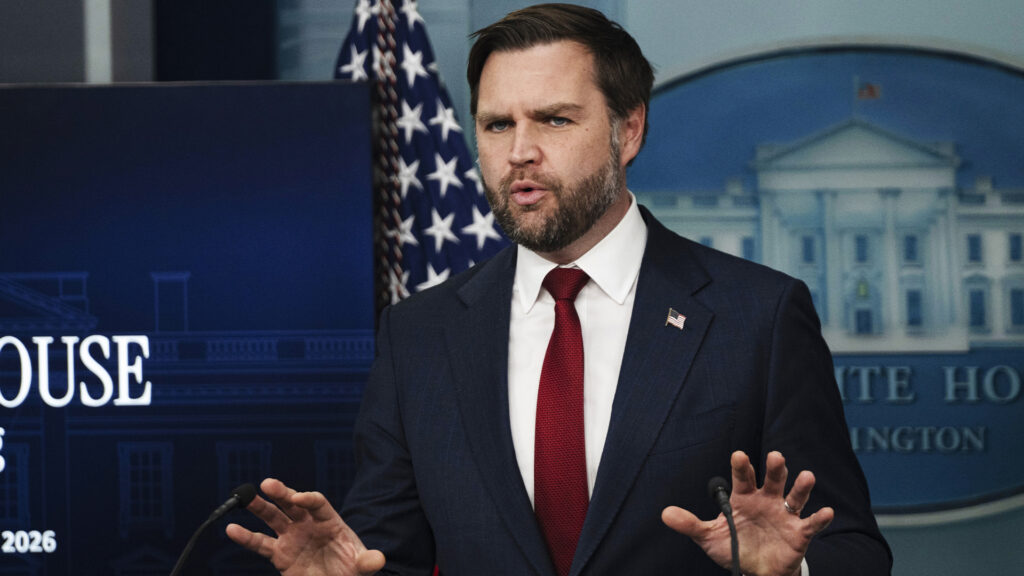
- US and Iranian negotiators wrapped up the first round of Switzerland talks with a joint framework giving diplomacy 60 days to produce a lasting agreement on nuclear and sanctions disputes.
- A de-confliction mechanism for Lebanon was established as a key outcome, though tensions remain high after Iran briefly closed the strait and Trump threatened renewed military strikes.
High-level negotiations between the United States and Iran have wrapped up in Switzerland today, producing a joint roadmap toward a final deal within 60 days.
The talks, held at the Qatari-owned Buergenstock mountain resort, were mediated by Qatar and Pakistan and covered a wide range of issues, from Iran’s nuclear program to the Strait of Hormuz and the ongoing conflict in Lebanon.
Talks That Almost Did Not Happen
The start of the negotiations wasn’t smooth. Just before the talks began, President Trump threatened Iran if it tried to close the Strait of Hormuz again and take control of the waterway.
Iran announced during the weekend that it was closing the strait again due to renewed tensions in Lebanon. The US military pushed back, stating that the waterway remained open and that Iran did not control it. ⁽¹⁾
After Trump’s comments became public, Iran reported that the Iranian delegation refused to return to the negotiating room, though messages continued to be exchanged through Qatari and Pakistani mediators. ⁽²⁾
Vice President JD Vance, who arrived in Switzerland yesterday after delaying his planned Friday departure over logistical issues, led the US delegation at the talks.
What Was Agreed
Despite the turbulence, both sides made progress. The joint statement released by the Qatari foreign ministry outlined several key outcomes.
Both Iran and the US have agreed to establish a committee to oversee the mediation, with chief negotiators leading working groups on nuclear issues, sanctions, and dispute resolution. Additionally, both parties opened a communications line to help ensure safe passage for commercial ships through the Strait of Hormuz. ⁽³⁾
Iranian Foreign Minister Abbas Araghchi described the outcome as “major progress,” saying Tehran had secured waivers for oil and petrochemical exports, the lifting of port blockades, the release of some frozen assets, and the launch of a reconstruction plan for Iran. ⁽⁴⁾

Lebanon Remains the Flashpoint
Lebanon remained the main focus throughout the talks, where Iran had argued that the US failed to stop the fighting there, which led to the closure of the strait.
Trump warned on social media that Iran must stop its “highly paid proxies” in Lebanon from causing trouble, threatening to “hit Iran very hard again, only harder.”
Meanwhile, Vance took a softer tone, saying progress was being made on ending hostilities and that Trump had asked the delegation to “turn over a new leaf” in the relationship with Iran. ⁽⁵⁾
Araghchi said the new Lebanon de-confliction mechanism would be the “first real test” of the agreement.
What Comes Next?
Technical talks will continue throughout the week in Buergenstock. Negotiators will focus on implementing the memorandum of understanding signed last week, which calls for the Strait of Hormuz to remain open toll-free for at least 60 days and for all hostilities to end.
Vance said the US is focused on securing Iran’s enriched uranium stockpile to make it “effectively impossible” for Tehran to rebuild its nuclear program, adding that significant economic leverage remains if Iran does not comply. ⁽⁶⁾