ar
ar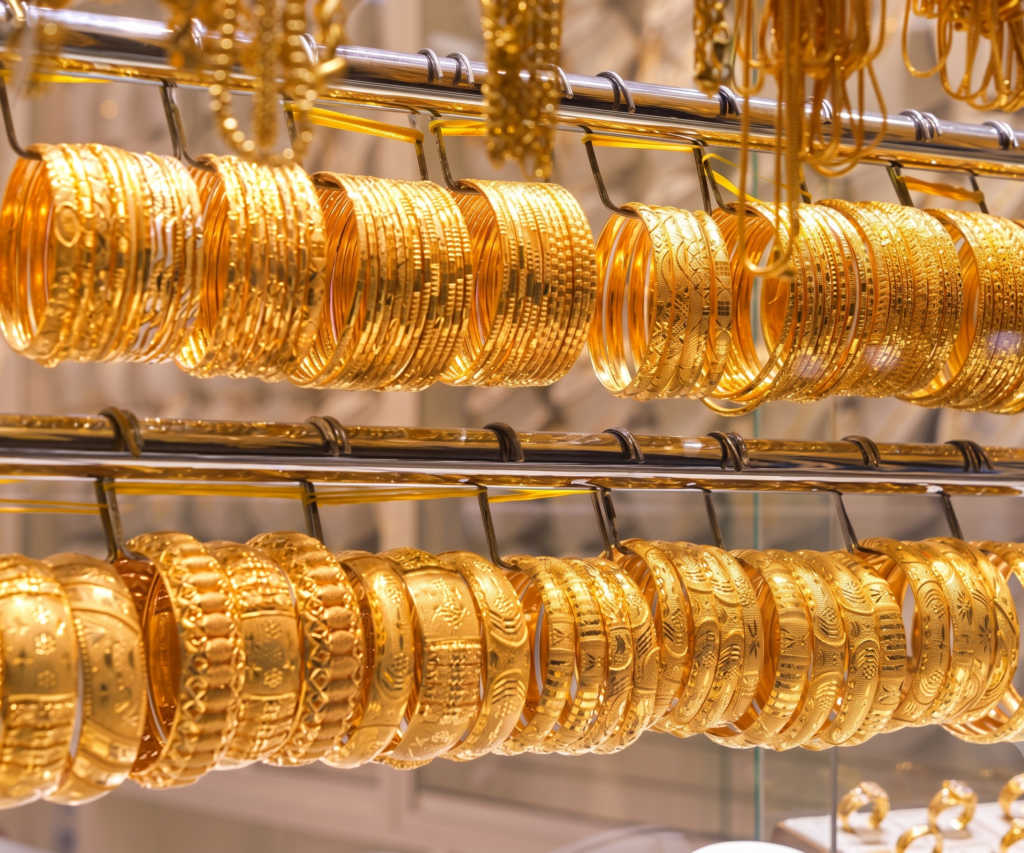
- The UAE is now the world’s second largest gold trading hub after Switzerland, with precious metals trade reaching approximately $170 billion in 2024.
- Dubai’s position was built on three foundations: geographic location between Africa’s mines and Asia’s demand centres, a zero-tax free zone structure through DMCC, and a regulated quality standard that gave international buyers confidence.
- The story begins in the 1940s and 1950s, when Indian and Iranian merchants recognised the city as a natural crossroads for global commodity flows, long before formal infrastructure existed.
Dubai did not become a gold trading hub by accident.
It became one because of a deliberate combination of geography, policy, and infrastructure, built up over decades, that made the city difficult to compete with.
How Geography Set the Foundation
Dubai sits at a crossroads between three of the world’s most important zones for gold:
- Sub-Saharan Africa, where a large share of global gold is mined;
- South Asia, particularly India, which is one of the world’s largest gold consumers;
- And Europe, where London and Zurich anchor the wholesale market.
Gold moving between these regions has to travel through air or sea corridors.
Dubai’s geography places it squarely on those routes, giving it a structural advantage that no amount of regulatory engineering could come close to manufacturing from scratch.
The Merchants Who Came First
The story of Dubai’s gold trade goes back to the 1940s and 1950s.
Traders from India and Iran set up shops along Dubai Creek, attracted by the city’s open trade policies and minimal barriers to commerce.
What they built informally was a reputation as a reliable, accessible trading post, laying the commercial foundation that formal institutions would later be able to scale.
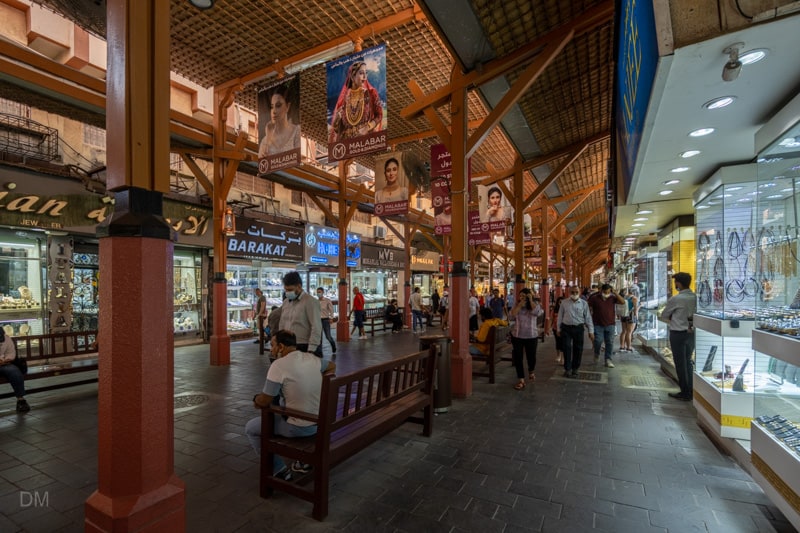
The Dubai Gold Souk, still operating today in Deira, is a direct descendant of those early creek-side stalls.
The Infrastructure That Locked It In
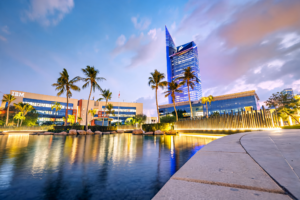
In 2002, the Dubai Multi Commodities Centre (DMCC) was established as a dedicated free zone for commodities businesses. Today it is home to more than 1,500 member companies in the precious metals, stones and diamonds sector. ⁽¹⁾
Three years later, in 2005, the Dubai Gold and Commodities Exchange (DGCX) launched, giving traders a regulated venue to trade gold derivatives. ⁽¹⁾ Dubai was no longer just a physical trading post but a financial market.
DMCC also introduced the Dubai Good Delivery (DGD) Standard, a gold quality certification establishing purity, weight and assay requirements for bars produced in and traded through Dubai. ⁽¹⁾
In November 2021, the DGD was formally replaced by the UAE Good Delivery (UAEGD) Standard, now governed by the Emirates Bullion Market Committee. The core quality framework remains in place under the updated name.
This gave international buyers confidence in the product coming out of Dubai’s refineries, and made the city’s gold exportable to the highest-standard markets in the world.
What the Numbers Show
The cumulative effect of geography, infrastructure and policy is measurable.
In 2024, the UAE’s foreign trade in precious metals reached approximately AED 625 billion ($170 billion), an increase of 27% from the year before.
The UAE is now the world’s second largest physical gold trading hub after Switzerland, accounting for roughly 15% of global gold trade. ⁽²⁾

Dubai produces almost no gold of its own. What it does is refine, certify, store and redistribute it, operating as a processing and distribution node between mining regions in Africa and consumer markets in Asia and beyond.
Why Gold’s Market Role Makes Dubai Relevant to Traders
Gold occupies a specific role in financial markets beyond its physical value. When geopolitical risk rises, gold tends to attract safe haven demand as investors reduce exposure to assets they consider vulnerable.
Dubai, sitting at the centre of one of the world’s most geopolitically active regions, is positioned both physically and financially to respond to those flows.
Understanding where gold moves, and the infrastructure that routes it, is part of reading commodity markets with any accuracy.
When it comes to traders, Dubai’s gold market dynamics (DMCC volumes, DGCX contract activity, and regional physical flows) form part of the broader commodity picture that informs how gold is priced globally.