ar
ar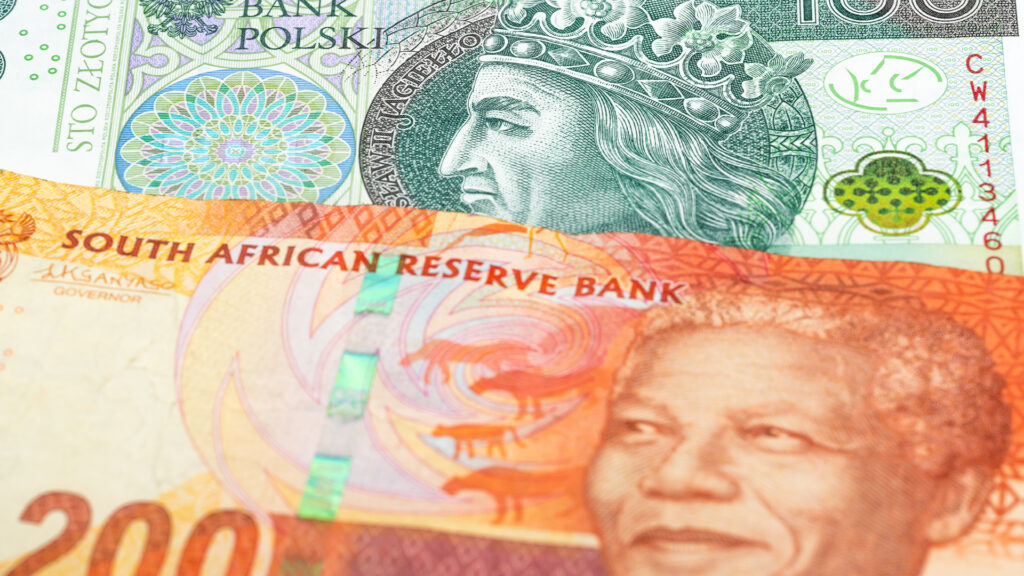
Summer is often associated with quieter markets, but the more exotic side of the currency market followed a less predictable path. Shifts in the dollar, commodity prices, interest-rate expectations and geopolitical risk created contrasting performances across emerging-market currencies.
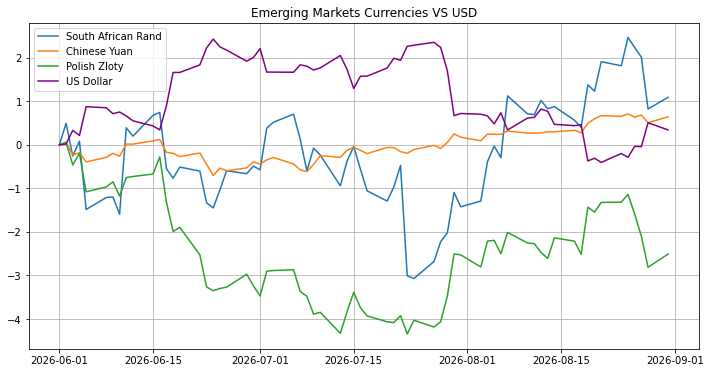
From the gold-supported South African rand to the closely managed offshore Chinese yuan and the oil-sensitive Polish zloty, each currency faced a different mix of pressures. Let’s look at how ZAR, CNH and PLN performed against the dollar over the summer.
The Rand Benefits from Gold and Risk Appetite
The South African rand was the strongest performer among these currencies, appreciating almost 1.6% during the summer.
As one of the more liquid emerging-market currencies, the rand is particularly sensitive to movements in precious-metal prices and global risk sentiment. Elevated gold prices supported South Africa’s export revenues, while periods of dollar weakness encouraged investors to return to higher-yielding emerging-market assets. ⁽¹⁾
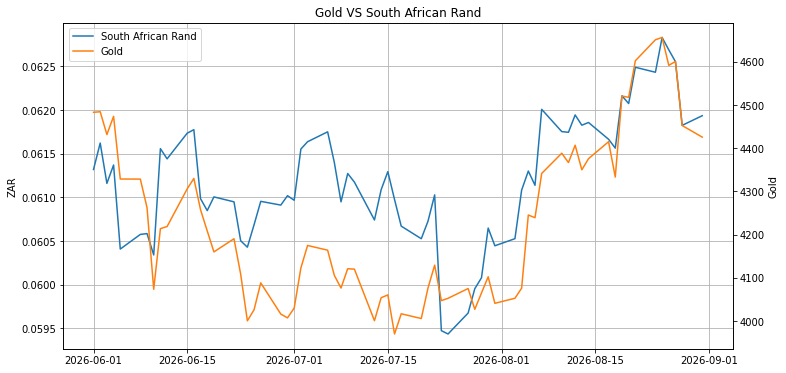
The South African Reserve Bank kept its policy rate unchanged at 7% in July, surprising markets that had expected a 25-basis-point increase following the rise in June inflation. The decision caused the rand to weaken sharply immediately after the announcement. ⁽²⁾
Data released in August showed that South African inflation eased to 4.3% in July from 5% in June, reducing some of the pressure on households and the wider economy. However, renewed tensions in the Middle East, higher oil prices and expectations of further Federal Reserve tightening limited the rand’s gains. ⁽³⁾
Yuan Recovers from Earlier Losses
CNH faced periods of pressure earlier in the summer as hawkish Federal Reserve signals supported the dollar. However, it later recovered and ended the period almost 0.5% stronger against the dollar.
Unlike the onshore yuan, the CNH is more responsive to global capital flows, trade tensions and demand for the dollar. At the same time, it is also heavily influenced by the People’s Bank of China through its exchange-rate guidance and policy signals.
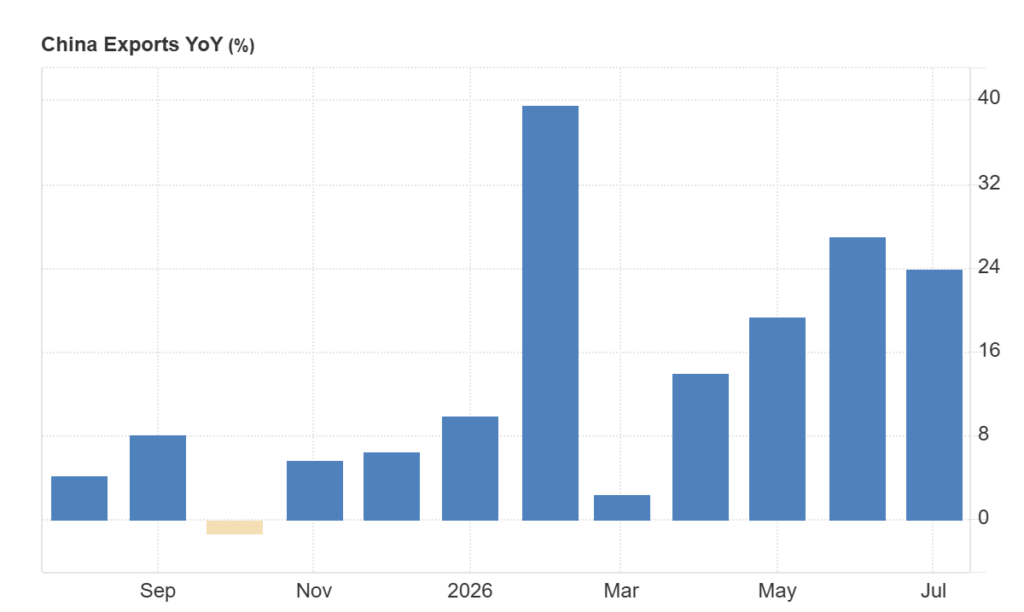
Strong exports helped the currency, with China’s exports rising 23.9% YoY in July due to high demand for AI and other high-tech products. Exporters converting dollar revenues into yuan also lifted demand for CNH. ⁽⁴⁾
Broader dollar weakness also provided help, but weak domestic consumption, problems in the property market and trade uncertainty with the US kept a lid on the yuan’s advance. The PBoC has kept its lending rates steady for more than a year now at 3%, assessing the impact of the Middle East conflict and weak GDP growth in Q2. ⁽⁵⁾
Chinese authorities also want to prevent sharp moves in either direction. Rapid appreciation could hurt export competitiveness, while excessive depreciation could encourage capital outflows. Policymakers, as a result, continue to favor relative stability.
Zloty Struggles with Higher Oil Prices and Regional Risk
The Polish zloty weakened almost 2.3% against the dollar during the summer. Poland’s close economic ties with the Eurozone mean that the zloty could be heavily influenced by the euro, ECB interest rate expectations and regional risk sentiment.
It can also come under pressure when investors reduce exposure to Central and Eastern European markets during periods of geopolitical uncertainty.
In July, these pressures became evident when the zloty fell to a 14-month low against the dollar and a 19-month low against the euro. Higher oil prices weighed on the currency because Poland is a major energy importer, leaving its economy vulnerable to sharp increases in fuel costs.
The National Bank of Poland’s policy rate remained steady at 3.75% in July. Inflation remained elevated in August, rising to 3.4% and strengthening expectations that the central bank would remain cautious about lowering rates. ⁽⁶⁾
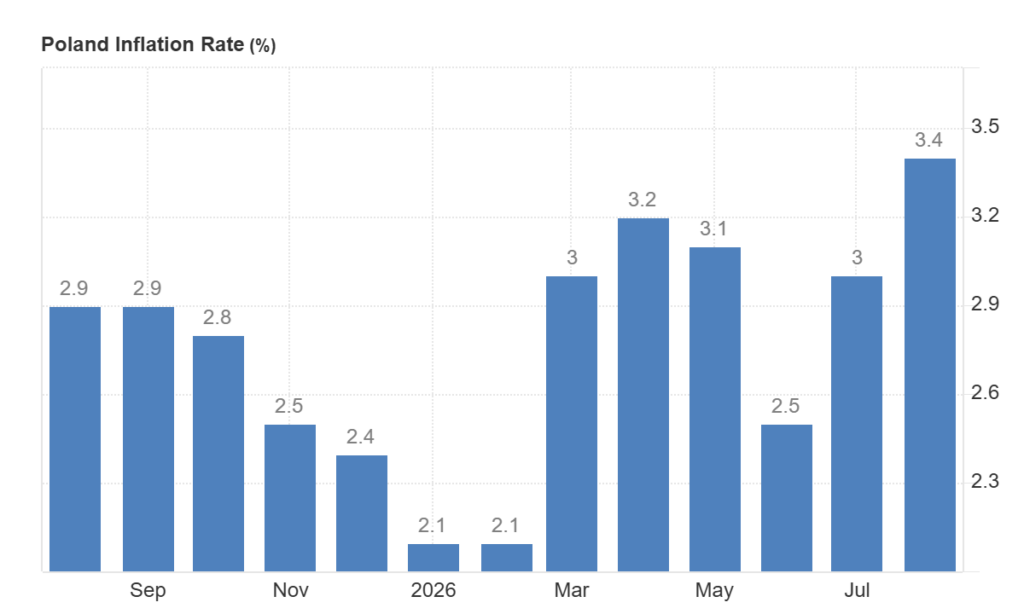
The zloty recovered part of its losses as market conditions improved in August. However, the rebound was not enough to reverse its earlier decline, leaving the currency weaker against the dollar over the summer as a whole.
What’s Next
Three central bank decisions land in the same window. The South Africa Reserve Bank meets on September 23, with another hold expected after July’s split vote. The Fed meets on September 16, where a hike is now back on the table as Iran-linked energy costs keep inflation elevated.
The National Bank of Poland meets in early September, but with inflation at 3.4%, a hold looks more likely. China’s next trade data arrives around the same time, testing whether August’s export momentum holds. All three currencies could reprice fast once the dust settles.