

 ar
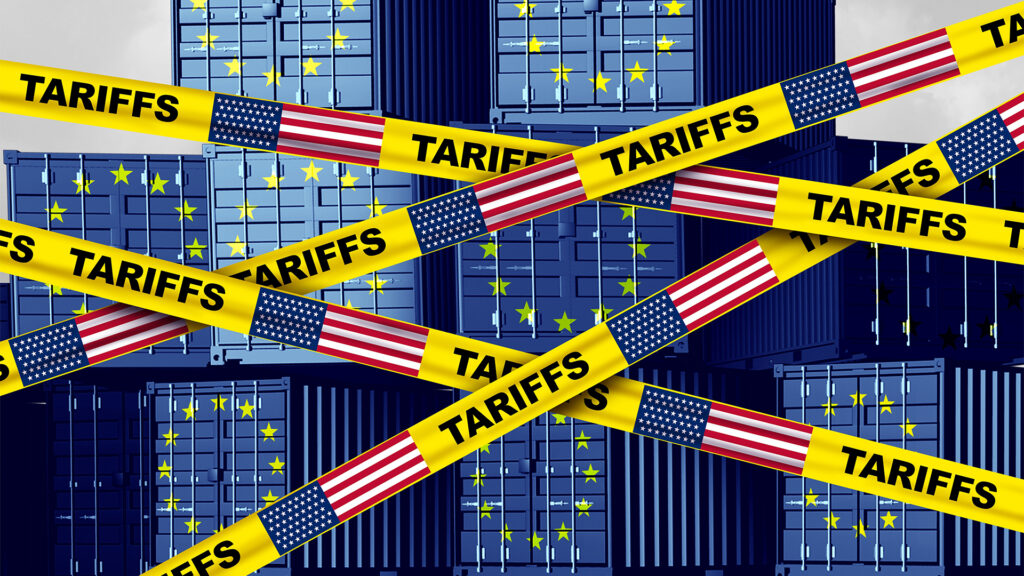
- Trump announced a rise in auto tariffs to 25% on the European Union, citing their slow progress in implementing last year’s trade deal.
- European automakers, including Mercedes, BMW and Volkswagen, face the heaviest exposure, while the EU rejected Trump’s non-compliance claim and warned it would act to protect its interests if the US breached the agreement.
Trade tensions between the United States and the European Union have escalated once again, with President Trump announcing he would raise tariffs on cars and trucks imported from the EU.
Trump cited what he called a failure by Brussels to follow through on commitments made under last year’s trade agreement.
The move has rattled automakers on both sides of the Atlantic and raised fresh questions about the legal basis for the president’s tariff agenda.
Trump’s Tariff Announcement
Trump made the announcement on Truth Social, writing that the EU was “not complying” with a trade deal the two sides had fully agreed to. He said the tariff on EU cars and trucks would rise to 25%, while making it clear that European automakers who build vehicles in US plants would face no tariffs at all. ⁽¹⁾
Speaking at the White House, he told reporters the move was designed to push European manufacturers to shift production to the United States more quickly. ⁽²⁾
Legal Questions
Trump did not specify what legal authority he would use to raise the tariffs, and the question of legality is far from settled.
The Supreme Court ruled in February that a major part of Trump’s tariff agenda was illegal. His reciprocal tariffs were based on a new interpretation of the International Emergency Economic Powers Act, but the court ruled 6-3 that the law does not give the president the power to impose tariffs.
Following that ruling, Trump signed an executive order replacing those duties with a 10% global tariff rate under a separate trade law, later raising it to 15%.
The White House said the new EU auto levies would be imposed under Section 232, the national security trade authority that was used to introduce broad 25% tariffs on vehicle imports last year. ⁽³⁾
The Trade Deal Background
The dispute traces back to a deal struck last August. Under that agreement, the EU accepted a 15% tariff rate on its car exports to the US in exchange for eliminating duties on American industrial goods and accepting US safety and emissions standards. The broader deal also committed the EU to scrapping most tariffs on US goods.
However, implementation has moved slowly. EU lawmakers advanced legislation in March to put the agreed reductions in place, but the process is not expected to finish before June. ⁽⁴⁾
A White House official said the EU had “failed to make substantial progress” on its commitments, while the European Commission pushed back, saying it was following standard legislative practice and keeping the US side informed throughout. ⁽⁵⁾
Impact on Automakers
The European brands most exposed to a tariff increase include the likes of Mercedes, BMW and Volkswagen, all of which import a significant portion of the vehicles they sell in the US directly from European plants.
Mercedes already reported that tariff costs had cut into its profits last year, and the company has committed billions of dollars to expanding its US manufacturing operations through 2030. Automakers on both sides have privately urged governments to resolve the situation before further damage is done. ⁽⁶⁾


