

 ar
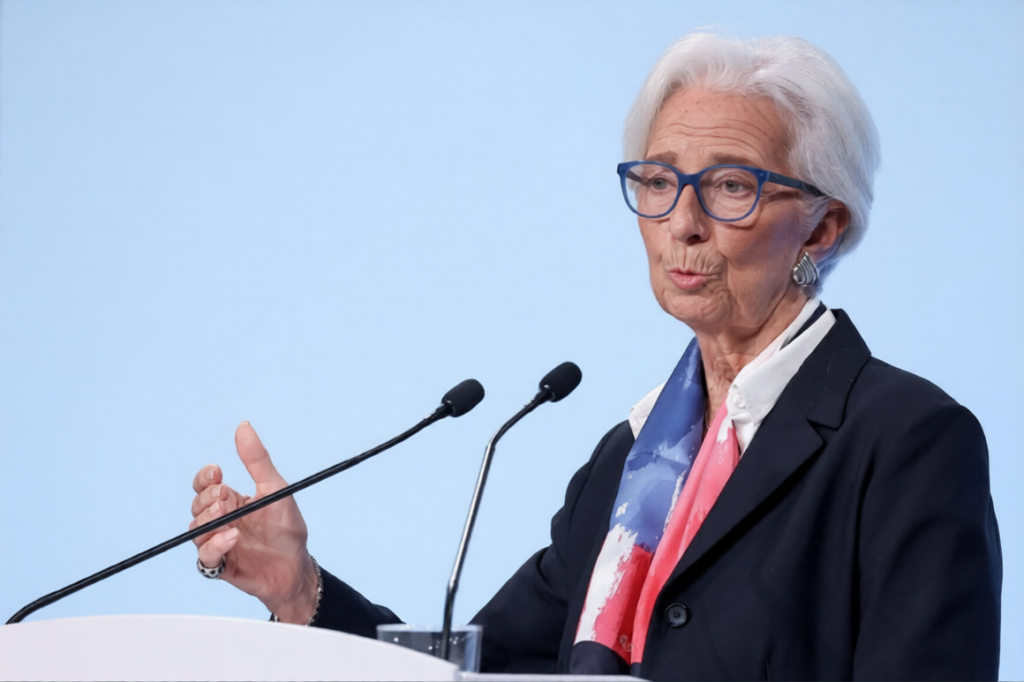
- Christine Lagarde has fueled speculation about resigning from her post as President of the European Central Bank, though she privately reassured colleagues she remains focused on her role and would inform them directly of any resignation.
- Rumors emerged from concerns that French President Macron wants to secure a replacement before the French Presidential Election in 2027.
- The situation raises broader worries about central bank independence, especially as political pressure on institutions like the US Federal Reserve sets a concerning precedent for others worldwide.
The President of the European Central Bank, Christine Lagarde, has found herself in the spotlight of political speculation for some time now.
Reports have emerged indicating that she may leave her position as central bank president before her term expires in October 2027.
This has raised important questions about central bank independence, French politics, and the future of the euro zone’s most powerful financial institution.
What Lagarde Said to Colleagues
President Lagarde sent a private message to ECB policymakers to reassure them that she was still focused on her job.
She informed them that if she decides to resign, they will hear it from her directly, not from external sources. Most of those who received the message took it to mean she was not planning to resign immediately, though the message did not completely rule out the possibility. ⁽¹⁾
Some policymakers said they were surprised that these questions were being raised at all, given that the French presidential elections are still more than a year away and her term does not end until October 2027. ⁽²⁾
Why the Speculation Started
A report from the Financial Times stated that Lagarde could be planning to leave her position early to give French President Macron a say in who replaces her as the next ECB President. The concern is that should the far-right win next year’s French presidential election, they could influence who leads the ECB next.
For now, opinion polls suggest that National Rally leaders Marine Le Pen or her ally Jordan Bardella could emerge as leading contenders in the election. ⁽³⁾
At the same time, Bank of France Governor Villeroy also announced that he would resign before his term ends, giving Macron the chance to replace him before the elections.
ECB policymakers said privately that both moves appeared to reflect a French desire to ensure that competent, independent central bankers would be in place no matter who wins the next election. ⁽⁴⁾
Speculation around Lagarde’s resignation could create some pressure on the euro due to increased policy uncertainty. Any doubt about the upcoming leadership could also lead traders to reassess the ECB’s monetary policy trajectory.
The Question of Independence
The questioning of central bank independence remains a concern, as its intention is to protect the ECB from political influence. Some analysts argue that if Lagarde were to step down early in order to influence the succession process, it could itself be viewed as a political maneuver, potentially undermining the ECB’s institutional independence. ⁽⁵⁾
European politicians could bend the rules to ensure their preferred candidate leads the central bank, which could damage the ECB’s reputation and independence. The far-right party has already condemned the move, calling it anti-democratic. ⁽⁶⁾
Why This Matters
The ECB is one of the world’s most influential institutions, setting interest rates for the 21 nations of the Eurozone, managing financial risks, and ensuring the stability of the euro.
Concerns about political interference in central banking have grown over the past year, largely due to events in the United States, where President Trump has repeatedly pressured Federal Reserve Chair Jerome Powell to cut interest rates.
Bundesbank President Nagel warned last week that any success Trump has in bending the Fed to his will could serve as a model for politicians in other countries. ⁽⁷⁾


