

 ar
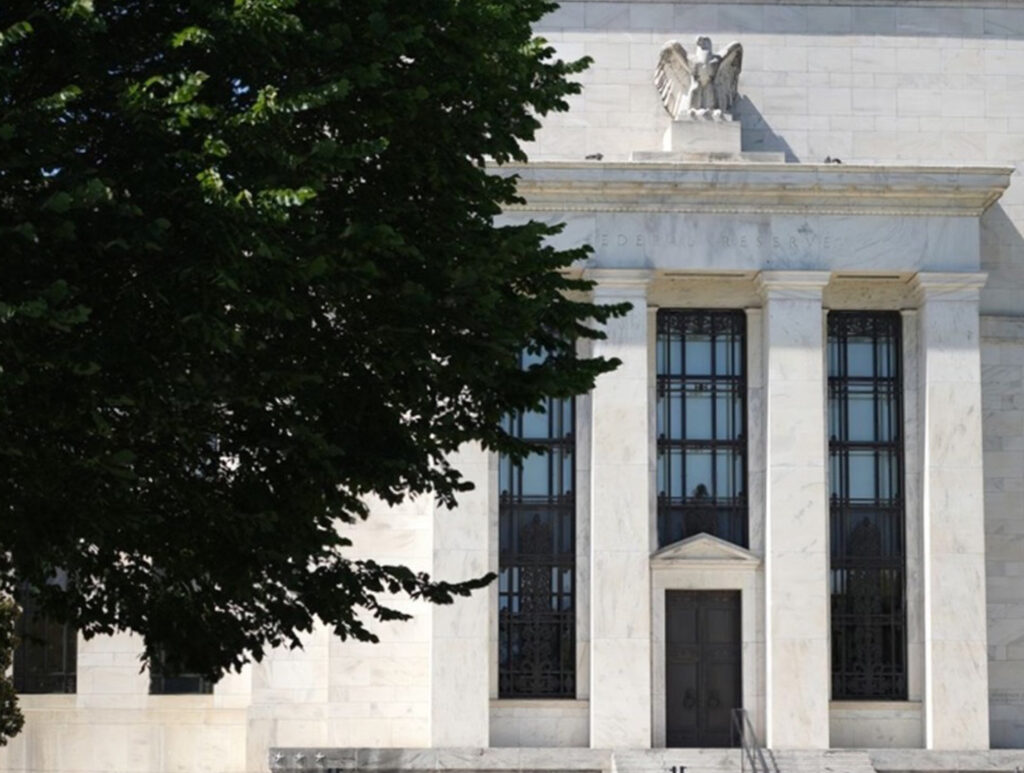
- The Fed is expected to hold rates on Wednesday as inflation and the labor market stabilize.
- Markets are already looking ahead, pricing in two rate cuts later this year, one in July and the other before year-end.
- Political pressure is intensifying, with Chair Jerome Powell facing subpoenas and renewed challenges to Fed independence.
The Federal Reserve is expected to hold interest rates steady at 3.75% on Wednesday after three consecutive reductions, bringing a rare moment of agreement among policymakers.
But this return to consensus comes at a turbulent time. Fed Chair Jerome Powell faces legal threats, political pressure, and questions about his own future while trying to steer the economy toward stable growth and controlled inflation.
The decision itself may seem straightforward. Simply hold rates steady. After all, the economic data supports it. But the context surrounding this meeting is anything but ordinary.
A Calmer Economic Picture Emerges
The last few months have been intense inside the Federal Reserve. Officials found themselves pulled in opposite directions, disagreeing about the right path forward.
The labor market had spooked some policymakers. Hiring slowed dramatically, and unemployment climbed to 4.5% in November, a four-year high.
Some officials worried they were watching a tipping point, a moment when the job market could spiral downward. Others remained focused on inflation, pushing back against each rate cut with growing force. By December, the FOMC was divided, with as many as eight regional Fed presidents opposing Chair Powell’s approach.
Then the data shifted. Unemployment ticked back down. Inflation came in lower than expected at 2.6% through December. Other labor indicators suggested no wave of layoffs was coming, even if hiring remained sluggish. The crisis seemed to have passed.
Economic growth remains robust, and consumers keep spending. The Fed’s preferred inflation measure, the PCE index, is at 2.8% in November, slightly above the 2% target but not alarmingly so.
Officials close to Powell have signaled that rates are now in the right place, positioned to support employment while keeping pressure on inflation. For now, most policymakers seem comfortable holding steady. ⁽¹⁾
Markets Have Already Moved On
Investors aren’t waiting around. The $30 trillion Treasury market has already priced in an extended pause. Traders now expect the next rate cut in July, with maybe one more before year’s end. ⁽²⁾
Not everyone at the Fed agrees with waiting. Governor Stephen Miran wants aggressive cuts of 150 basis points this year. Vice Chair Michelle Bowman has warned against signaling any pause in the easing cycle. But these voices stand apart from the emerging consensus. ⁽³⁾
Even Christopher Waller, who back in June became the first Fed official to call for rate cuts, has backed off. “Because inflation is still up, we can take our time,” he said in December. ⁽⁴⁾
Powell will speak at a press conference after announcing the Fed’s decision, mainly focusing on projections, policy guidance, and political tensions.
Political and Legal Challenges Mount
The meeting occurs during a turbulent period for the Federal Reserve’s leadership. Powell faces multiple challenges that extend beyond monetary policy decisions.
He has received grand jury subpoenas related to a Department of Justice investigation examining the Fed’s building renovations and his congressional testimony about the project.
Powell responded strongly to these subpoenas, describing them as a direct threat to the central bank’s ability to set interest rates without political pressure or intimidation. This forceful response has triggered speculation about whether Powell might remain as a Fed governor after his term as chair expires in May.
Additional complications arise from the Trump administration’s effort to remove Fed Governor Lisa Cook. The Supreme Court heard arguments on this matter last week, with Powell attending the hearing. ⁽⁵⁾
The situation has created concern among some Republican senators, who have indicated they will delay action on any Fed chair nomination until the investigation of Powell is resolved. ⁽⁶⁾
Only three scheduled meetings remain in Powell’s eight-year tenure. What should be a routine transition has become something far more precarious.
What Comes Next?
Powell’s press conference could likely be less about economic forecasting and more about institutional survival. Reporters could ask about his term, whether he stays or goes. They’ll ask about the DOJ probe, about Cook’s case, and about Trump’s pressure campaign to lower rates.
The Fed chair has moved from a largely passive stance toward Trump’s insults to active, public defense of the institution. Last week’s Supreme Court appearance reinforced that shift. Wednesday offers another chance to make his position clear.
The Federal Reserve has weathered political storms before. Central bank independence has been tested and challenged throughout its history. But rarely has a Fed chair faced simultaneous legal investigation, attempts to remove a sitting governor, and open pressure from a president demanding rate cuts.


