

 ar
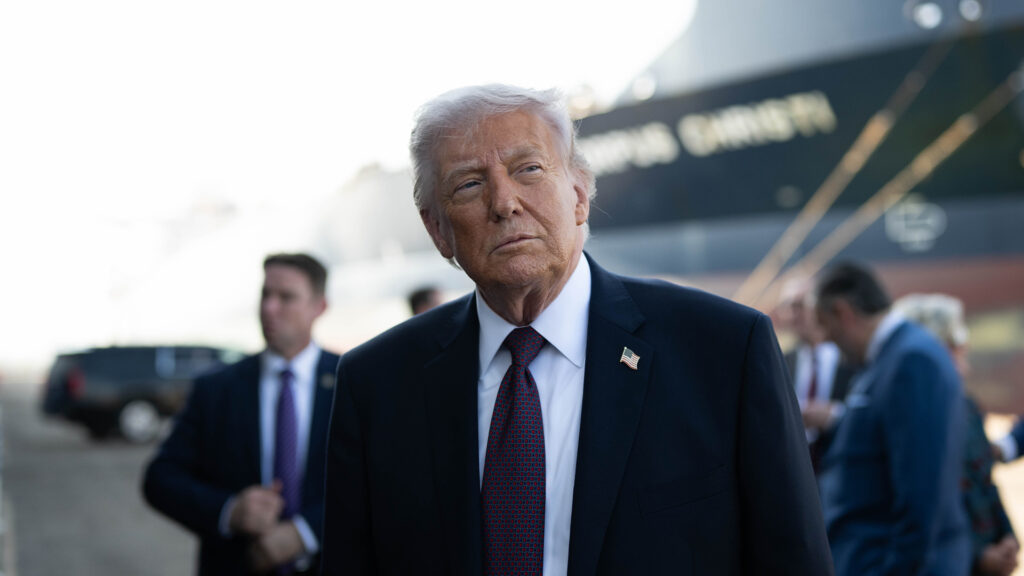
- President Trump announced a five-day pause on planned US strikes against Iran’s power plants, citing productive talks with Iranian officials.
- Iran denied any talks took place, even as Trump’s announcement briefly sent oil prices below $100 a barrel.
- The conflict has caused the largest oil supply disruption in history, with shipping through the critical Strait of Hormuz almost at a standstill.
After weeks of rising tensions, military action, and threats of a wider conflict, the United States and Iran briefly appeared to step back from the edge after President Trump announced what he described as “very good and productive conversations” with Iranian officials.
However, the situation quickly became more uncertain, as Iran denied any talks with the US while military activity in the region continued, leaving markets with more questions than answers.
Trump Orders a Five-Day Delay
President Trump announced earlier yesterday that the US would hold off from any military action against Iran’s power plants and energy infrastructure for five days.
This action came after reports of talks between US and Iranian officials. Trump described the conversation as optimistic and productive, stating the focus on reaching a full resolution to hostilities in the region. He added that the talks would continue throughout the week. ⁽¹⁾
The Strait of Hormuz at the Center of the Crisis
Just before his announcement, Trump had given Iran a 48-hour deadline to reopen the Strait of Hormuz, a narrow but critically important waterway that connects the Persian Gulf and the Gulf of Oman.
Around 20% of the world’s oil and gas passes through this route, making it one of the most strategically vital corridors on the planet.
Iran had warned that any targeting of its power infrastructure could lead to a broader regional response, potentially involving energy facilities across Gulf countries. ⁽²⁾
Shipping through the Strait of Hormuz has nearly come to a complete stop since the beginning of the conflict on February 28. In response, Iran began threatening ships attempting to pass through the strait, with several incidents reported in the weeks that followed.
The conflict has since grown into a major global concern.
Markets React Sharply, Then Reverse
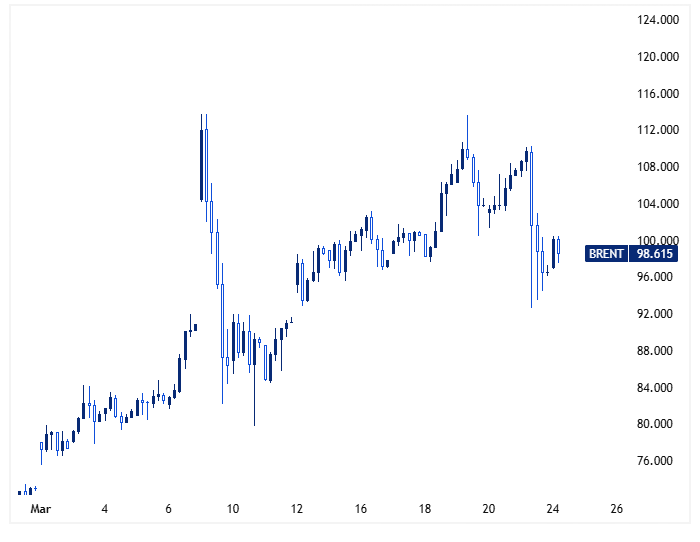
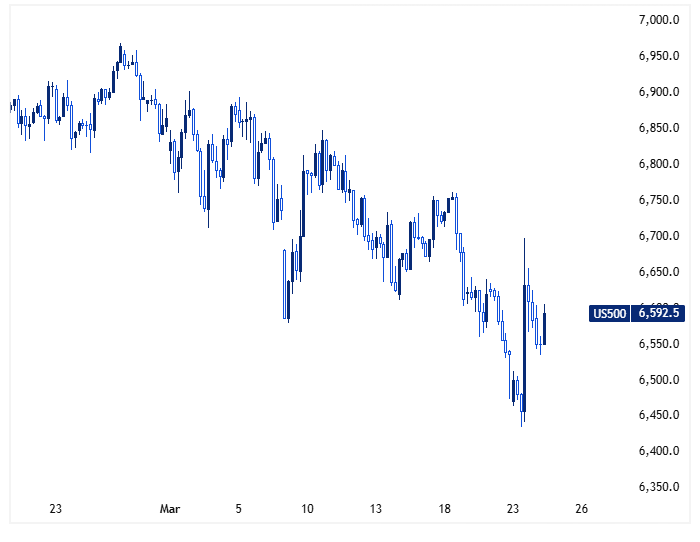
News of the pause brought immediate reactions across the financial markets. Global stocks, precious metals and risk-on currencies rallied while the US dollar and oil suddenly dropped, a fast reversal from the market turmoil caused by Trump’s weekend threats and Iran’s vows to respond.
However, that relief was short-lived, as oil prices rebounded earlier today, with supply fears returning due to uncertainty over whether any real diplomatic progress had been made, continuing to weigh on markets. ⁽³⁾
Tehran Pushes Back
Iran moved quickly to deny that any talks had taken place. Iranian officials dismissed Trump’s claims of productive conversations as false, calling them an attempt to manipulate financial markets. ⁽⁴⁾
This directly contradicted Trump’s statements and left the world uncertain about whether any real diplomatic channel even existed between the two sides.
A Crisis with Global Consequences
The war with Iran has triggered widespread fears about inflation around the world. The International Energy Agency has described the resulting oil supply disruption as the largest in the history of the oil market.
With diplomatic developments uncertain and oil prices swinging sharply from day to day, the announced pause offers only a thin and uncertain window for diplomacy.
The coming days will be closely watched by governments, markets, and millions of people whose lives depend on stability in the region.


