

 ar
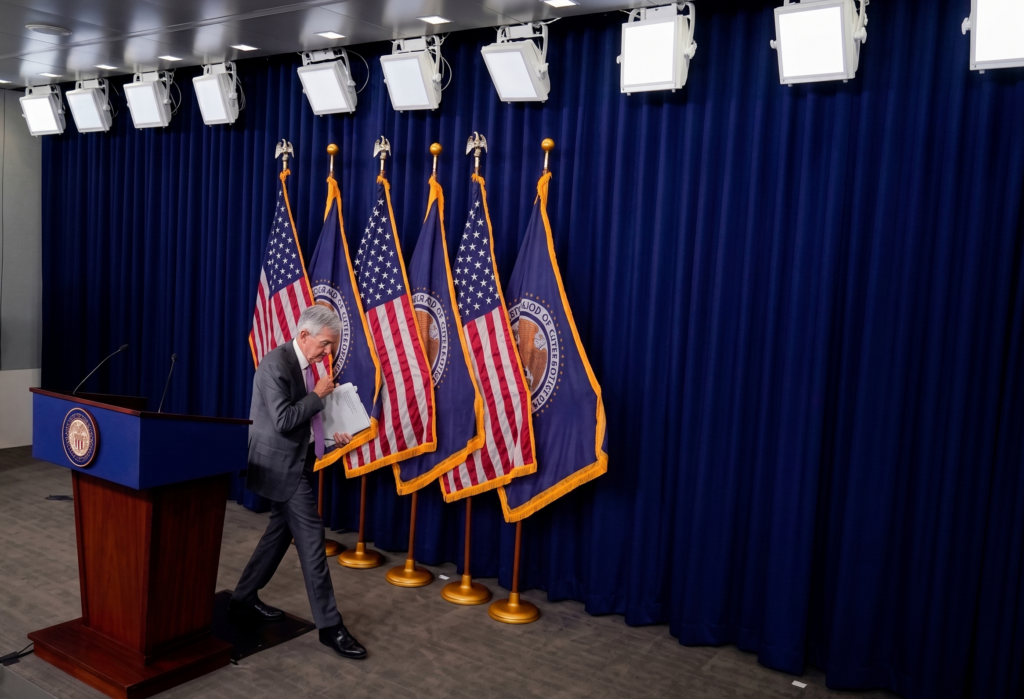
- Central banks shape currency markets through communication, not only through rate decisions. A speech, a press conference, or a single shift in language can trigger sharp FX moves without any change in policy.
- Markets react to changes in expectations about future interest rates. A hawkish tone (signalling higher rates ahead), can strengthen a currency, especially if it is stronger than markets expected.
- When a speech confirms what markets have already priced in, currencies may barely move. The gap between expectation and what the central bank delivers is where the movement lives.
Central banks do not need to change interest rates to move currencies. Sometimes, a speech, press conference or small shift in language is enough.
That is because FX markets trade expectations. If investors believe a central bank is becoming more hawkish, they may buy the currency before any rate hike happens.
If the message sounds more dovish than expected, the currency can weaken even if policy remains unchanged.
In currency markets, the words matter because they change the expected path of interest rates, and interest rates help determine where global capital flows.
How Hawkish Signals Can Strengthen a Currency
When a central bank governor signals inflation concern, hints at rate hikes, or indicates that current policy is not tight enough, markets interpret this as higher rates ahead.
Higher rates mean higher bond yields. Higher yields attract foreign capital. That capital must be converted into the domestic currency to buy domestic assets, and that conversion pressure often lifts the exchange rate.
The 2013 taper tantrum illustrates this at scale. In congressional testimony on 22 May 2013, Federal Reserve Chair Ben Bernanke signalled that the Fed might begin reducing its bond-buying programme. No rates changed. No new policy was deployed.
The 10-year US Treasury yield rose from around 1.94% to 2.96% by September ⁽¹⁾, and emerging market currencies fell roughly 6% against the dollar in the four months that followed. ⁽¹⁾ The entire transmission ran through expectations, not action.
The Power of Forward Guidance
Forward guidance is the formal tool central banks use to communicate the likely future path of interest rates. It became standard practice after 2008, when many major central banks cut rates to their lower bound and needed another mechanism to steer market expectations.
The logic is the same as a hawkish speech. It repositions where markets believe rates are headed. In July 2012, ECB President Mario Draghi committed to doing “whatever it takes” to preserve the euro.
The central bank later announced the Outright Monetary Transactions programme, but it was never activated. However, the promise itself helped calm markets, and Italy alone avoided more than €100 billion in additional funding costs as a result. ⁽²⁾
When a Speech Changes Nothing
Central bank communication loses its impact when it confirms what markets have already priced in.
If traders expect a hawkish press conference and receive exactly that, the currency may not move at all. Markets already adjusted.
This is one of the most common patterns around central bank events. Currencies often move before the announcement, as traders position for what they expect. Then, when the central bank delivers exactly what was expected, the reaction can be muted, or even reverse.
The Bank of Japan’s experience in 2022 shows another side of this. The BOJ repeatedly signalled that it would keep policy ultra-loose, but at the same time, the Fed was raising rates aggressively.
The widening rate gap between Japan and the US became too powerful for BOJ communication to offset, helping push the yen to a 24-year low against the dollar in October 2022. ⁽³⁾
This shows that central bank words matter, but only when markets believe the message is credible and strong enough to change the expected path of rates.
Dovish Signals Work in Reverse
When a central bank signals lower rates due to weak growth, easing inflation, or a need for stimulus, the exchange rate logic reverses.
Lower expected rates reduce the yield advantage of domestic bonds. Foreign capital is less attracted to holding that currency. Demand falls and the exchange rate weakens.
Research from the Bank for International Settlements found that changes in forward guidance shift analyst interest rate forecasts by an average of five basis points. ⁽⁴⁾ Across FX markets where daily turnover exceeds $7.5 trillion ⁽⁴⁾, even a marginal shift in yield expectations drives substantial capital flows.
Final Thoughts
Central bank speeches move currencies because interest rate expectations drive capital allocation. The mechanism works in three steps:
- A hawkish signal raises expected yields, attracts foreign capital, and often lifts the exchange rate.
- A dovish signal reduces the yield advantage, pushes capital elsewhere, and can weaken the currency.
- The size of the move depends on how the speech compares to what markets had already priced in.
A currency that has rallied in anticipation of hawkish guidance may fall when the central bank delivers exactly that, because the expectation was already priced-in.
This mechanism is central to reading reactions to BoJ rate guidance and Fed decisions alike.
Recent divisions within the Federal Reserve also show why central bank communication matters. Even before rates change, disagreement among policymakers can shift expectations and move currencies.


