

 ar
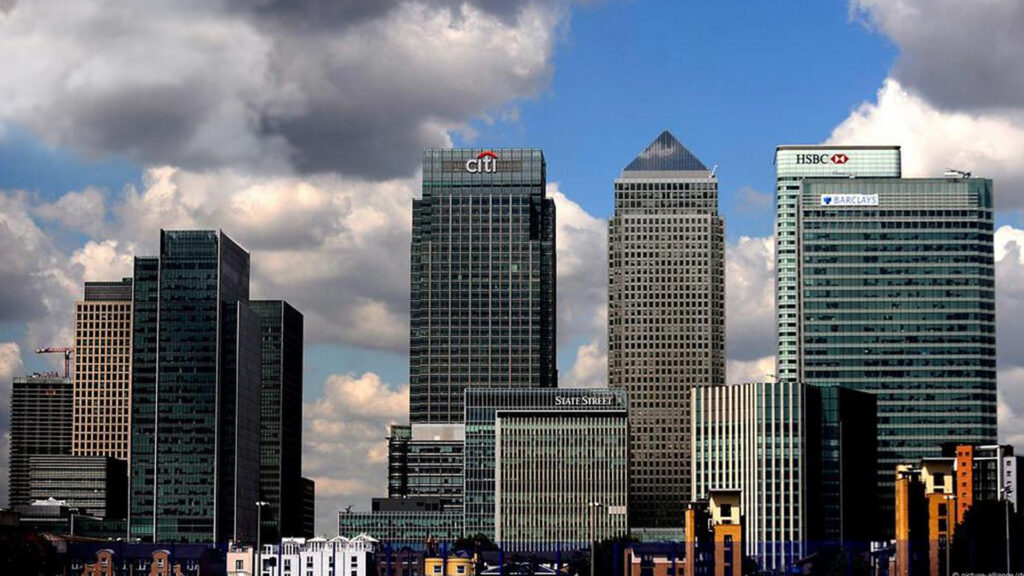
- Renewed credit concerns from US regional lenders triggered stock market declines, reviving the memories of the 2023 regional banking crisis.
- Major US and EU banks declined, while the VIX and gold surged on risk aversion.
- Rising credit stress and instability in the financial system have reinforced bets of earlier rate cuts from the Fed.
Stocks around the world remain caught in a wave of volatility as markets encounter new developments in the banking sector.
Alongside renewed trade tensions between the US and China and dovish Fed outlook, a new credit risk has risen from US regional banks. The issues began with distressed loans at banks like Jefferies and Western Alliance.
This renewed credit risk has reminded markets of the previous regional banking crisis that took place in 2023, leading to stronger demand in safe-haven assets and rising expectations of earlier rate cuts.
Troubles at US Regional Lenders
Concerns have emerged over US regional banks which shook global markets. Zions, a regional bank, has reported a $60 million loss in distressed loans after uncovering manipulated loan structures from a commercial real estate firm called Cantor Group. The way that Zions found out about this was after a fund, managed by Cantor Group, was sued for fraud by Western Alliance.
Jefferies, a major investment bank, has also come under pressure over weak lending practices, reminding investors of the regional banking crisis that occurred in 2023, leading to the collapse of Silicon Valley Bank, Signature Bank, and First Republic. ⁽¹⁾
Concerns over credit quality had been brewing for weeks after the collapse of two US auto-lending firms in September. JP Morgan, the biggest US bank by assets, reported a $170 million loss this week tied to one of its subprime auto lenders. JP Morgan’s Jamie Dimon said, “When you see one cockroach, there are probably more.” ⁽²⁾
Global Markets Hit by Banking Woes
The sell-off spread fast in global markets. In Europe, big banks like Deutsche Bank and Barclays declined more than 6%, while in the US, JP Morgan fell 1.5%, alongside Citi’s and Bank of America’s declines of 1.9% and 2.9% last Thursday.
Thursday also saw a jump in the VIX, commonly referred to as Wall Street’s fear gauge, while Treasury yields and the US dollar faced declines as investors moved into safe havens. By Friday, market sentiment stabilized as the VIX eased and stocks rebounded.
Gold surged to a new record high of $4,380 on Thursday, rising 7.8% in its biggest rise in 9 weeks and strongest rise since the global financial crisis. Gold then eased on Friday while the US dollar reversed its losses. Financial markets are expecting two more rate cuts from the Federal Reserve by year’s end.
Memories of the 2023 Regional Banking Crisis
Markets are reminiscing about March 2023, when the collapse of Silicon Valley Bank’s (SVB) ignited a regional banking crisis. SVB was invested in long-term bonds that lost value during an interest rate shock in 2022, causing depositors to withdraw over $40 billion in one day. The panic quickly spread to other regional banks such as Signature Bank and First Republic Bank.
Regulators acted in haste, as the FDIC (Federal Deposit Insurance Corporation) guaranteed all deposits beyond the $250,000 limit. The Fed started the Bank Term Funding Program for liquidity. This helped banks borrow using their bonds as collateral (liquidity support).
The crisis also hit global markets, leading to the collapse of Credit Suisse due to risk mismanagement, scandals and capital losses, then being rescued by UBS.
Recent problems at Zions and Western Alliance have revived these fears. The reaction seems smaller than 2023, but old scars continue to make markets nervous as the latest setback has proved that the banking system remains fragile.
Impact on Central Bank Policy
Rising concerns over credit risks are affecting monetary policy. Financial markets are expecting earlier rate cuts from the Federal Reserve, aiming to support financial stability despite high inflation.
However, central banks continue to face tougher choices due to other factors such as renewed trade tensions and geopolitics. Cutting rates too soon could refuel inflation, while waiting too long could bring in more risks to the financial system.


