ar
ar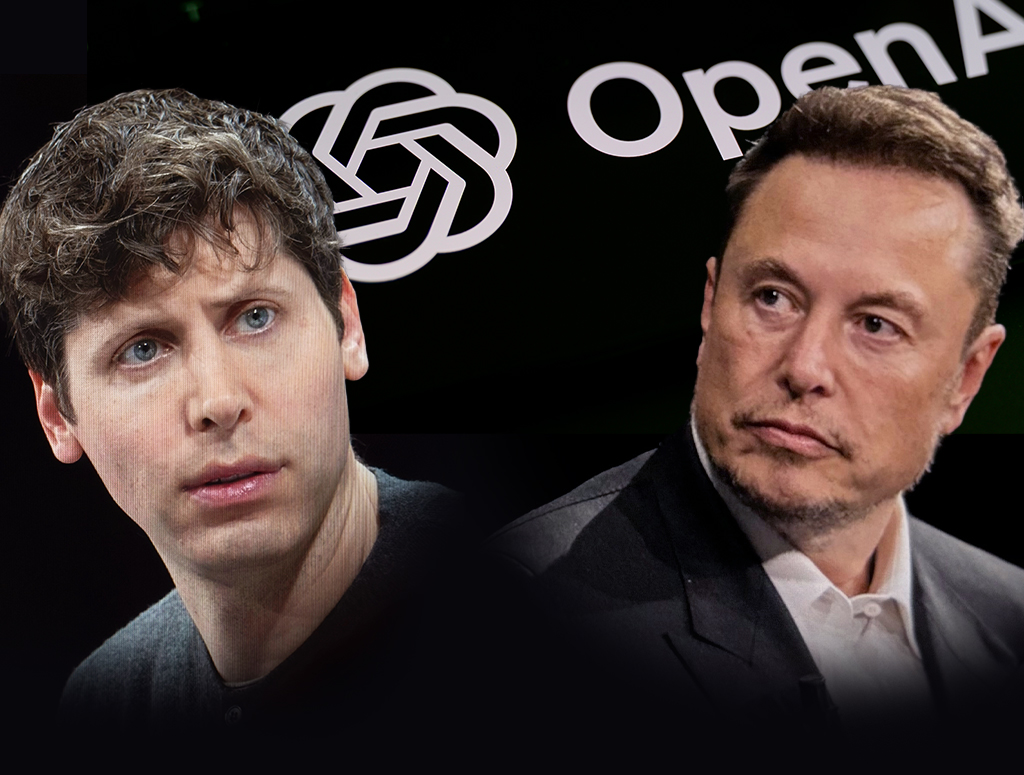
- OpenAI has secured a major legal victory after a jury dismissed Elon Musk’s lawsuit against the company, clearing the way for one of the biggest IPOs in stock market history.
- However, the trial still puts Sam Altman’s leadership and credibility under threat, as testimony raised questions around his honesty, management, and conflicts of interest.
A federal jury in Oakland, California delivered Sam Altman and OpenAI a major legal win on Monday, dismissing Elon Musk’s lawsuit accusing the company of abandoning its nonprofit mission.
The verdict spared OpenAI from one of its most serious legal threats after jurors found that Musk had waited years too long to bring his claims.
Still, the trial was far from harmless for Altman, leaving his reputation under pressure just as OpenAI moves closer to what could become one of the largest IPOs in history.
The Verdict and What It Means
After three weeks of testimony, the jury found that Musk’s lawsuit fell outside a three-year statute of limitations. Judge Yvonne Gonzalez Rogers immediately adopted the verdict and dismissed Musk’s claims. ⁽¹⁾
Musk had previously accused Altman and OpenAI co-founder Greg Brockman of breaking its promise to keep the company as a nonprofit. He sought damages, a return of profits to the company’s charitable arm, and Altman’s removal from the board. ⁽²⁾
The ruling clears out a significant obstacle for OpenAI, which is currently valued at $852 billion and moving toward a potential IPO that could hit a $1 trillion valuation. Legal experts noted the stakes were enormous. ⁽³⁾
Musk announced he would appeal to the 9th Circuit Court of Appeals, calling the outcome a “calendar technicality” and insisting that Altman and Brockman had enriched themselves by “stealing a charity.”
A Legal Win with Reputational Costs
Despite the favorable outcome, the trial was far from a victory for Altman. Over three weeks, former OpenAI employees took the stand and accused him of being dishonest and an unreliable person.
During cross-examination, Musk’s lawyer cited comments from eight witnesses who said Altman had misled or lied to others. Among the most striking testimonies was former OpenAI Chief Technology Officer Mira Murati, who stated that Altman wasn’t always honest. ⁽⁴⁾
Murati also suggested that Altman’s leadership created internal tensions, claiming that he sometimes brought too much confusion to the organization and caused strained relationships among senior executives.
Documents released during the trial revealed that Altman held billions of dollars in investments in companies that did business with OpenAI, raising conflict-of-interest concerns. ⁽⁵⁾
Two Billionaires, One Big Falling-Out
At its core, the case was a story about the breakdown of a partnership between two of Silicon Valley’s most powerful figures. Musk was an early OpenAI backer, contributing $38 million in its first years. He and Altman both reportedly sought to lead the company in its early days, but the rivalry grew bitter as OpenAI expanded rapidly. ⁽⁶⁾
OpenAI argued throughout the trial that Musk’s lawsuit was never really about principles, it was about control. Their lawyers told reporters after the verdict that the jury rejected Musk’s case, which they argued was an attempt to hurt OpenAI and help his own AI company, xAI. ⁽⁷⁾
What Comes Next?
For OpenAI, the road to a public offering just became clearer. But as Wedbush analyst Dan Ives noted, the company walks away with “scrapes and bruises” on Altman’s public image.
Every investor considering the IPO will now weigh the testimony from this trial against their confidence in the man leading the company. ⁽⁸⁾
So the courtroom battle may be over. The credibility battle, however, is just beginning.