ar
ar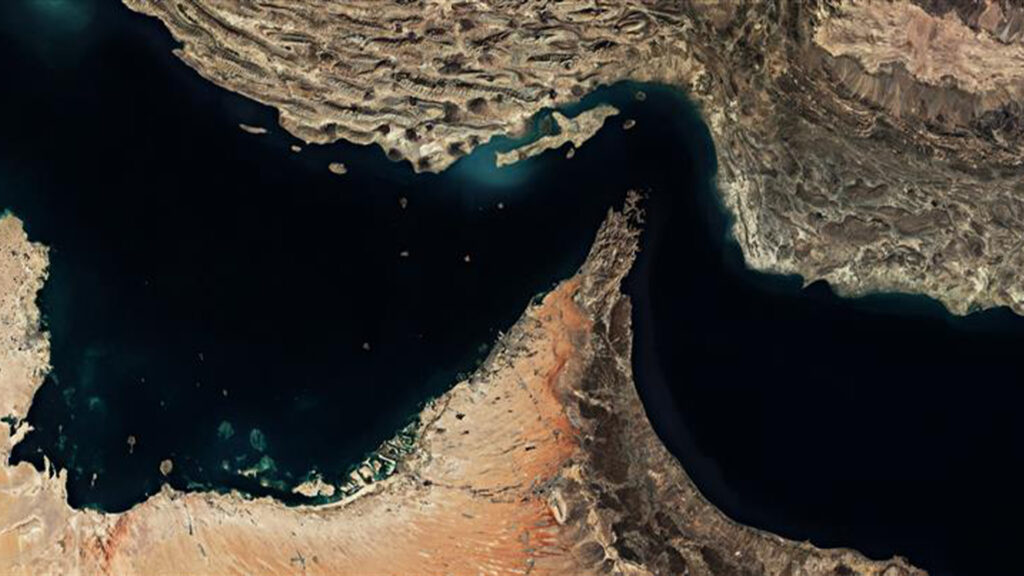
- Oil prices jumped more than 5% as the US-Iran ceasefire neared collapse after naval clashes in the Gulf and a U.S. seizure of an Iranian cargo ship.
- Iran rejected peace talks scheduled for today, citing the US blockade and threats, raising fears the Strait of Hormuz crisis will continue disrupting global oil supplies.
Just as markets thought that tensions were cooling off, a new round of developments surrounding the Strait of Hormuz over the weekend reminded investors how shaky the situation still is.
What many called a fragile ceasefire between the US and Iran now appears close to collapse, with both sides blaming the other of violating the agreement around the Strait of Hormuz.
Oil prices rallied following military escalations that took place over the weekend, with both sides threatening retaliation.
Naval Clash Reignites Tensions
Tensions reemerged when the US fired on an Iranian cargo ship that was attempting to breach the US blockade. US President Trump then announced the seizure of the vessel by the US navy. Iran reported that the vessel was traveling from China. ⁽¹⁾
The incident followed Saturday’s attacks by Iranian Revolutionary Guard gunboats on commercial vessels in the Strait of Hormuz. A tanker came under fire, and a container ship was struck by an unknown projectile. ⁽²⁾
Peace Talks in Jeopardy
Iran announced it would not attend a second round of negotiations scheduled to begin Monday in Islamabad, Pakistan. Tehran cited the ongoing US blockade, threatening American rhetoric, and what it called Washington’s “excessive demands” and shifting positions. ⁽³⁾
Trump had said his envoys would arrive this evening, just one day before the two-week ceasefire expires Tuesday.
The US delegation was expected to include Vice President JD Vance, who led last week’s initial talks, along with envoy Steve Witkoff and Jared Kushner.
However, Trump later told media outlets that Vance would not attend. Despite Iran’s rejection, Pakistan appeared to be preparing for possible talks. ⁽⁴⁾
Markets Remain on Edge
The strait typically handles roughly one-fifth of global oil supply, making it one of the world’s most strategic waterways. Iran has alternately lifted and reimposed its blockade of the strait, while the United States maintains its naval blockade of Iranian ports.
The uncertainty has kept traffic through the Gulf at minimal levels, creating what analysts describe as the most severe disruption to global energy supplies in history. Oil prices had briefly fallen last week after Iran initially declared the strait open but quickly reversed when Tehran reimposed restrictions. ⁽⁵⁾
Brent jumped more than 5% earlier today while markets stocks dropped. The Nikkei 225 opened 1.8% lower while US stock futures pulled back after recent highs, with the S&P 500 recording a new record high last week at 7,130.
With safe-haven demand rebounding, the US dollar firmed after taking a hammering last week due to previous reports of peace talks.
Meanwhile, risk-on currencies like the pound and the euro opened lower today. The yen also weakened considering Japan’s heavy reliance on imported oil.