

 ar
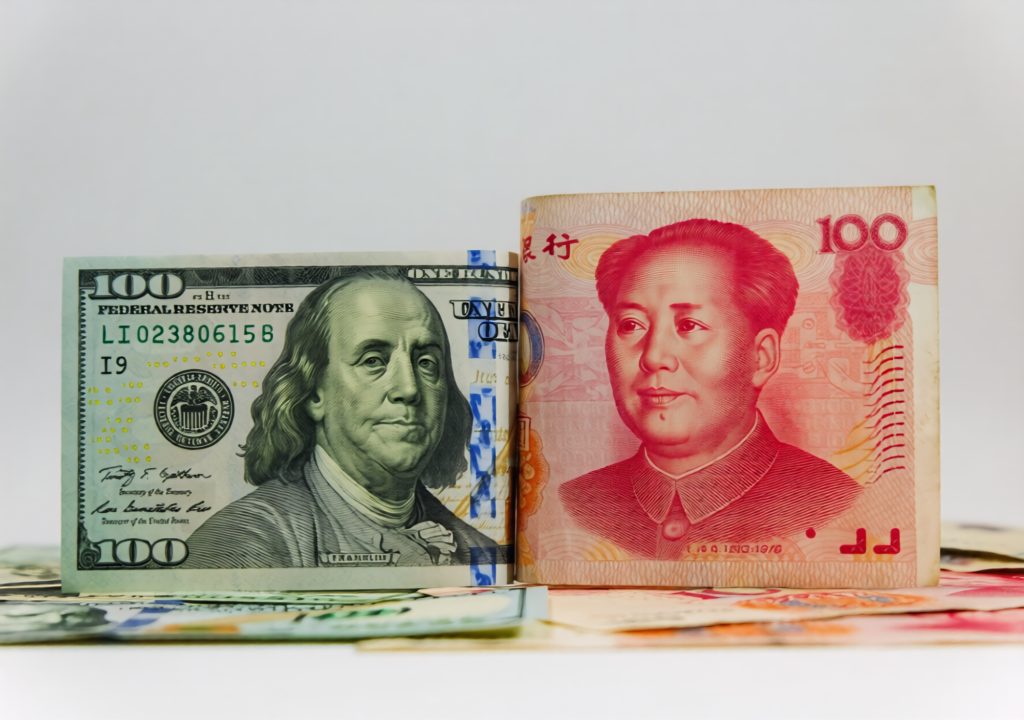
Markets open the week with several major themes in focus, from US-China diplomacy to key inflation data and the Senate vote on Kevin Warsh’s nomination as Fed Chair.
The Trump-Xi summit could shift attention back to the Middle East conflict, while US CPI, PPI and retail sales will give traders a clearer view of inflation pressure, consumer strength and the Fed’s policy path.
In Europe, GDP updates from the Eurozone and the UK will show whether growth is losing momentum or finding support. Here’s what to watch this week.
Calendar Events
- US CPI – May 12
- Fed Chairman Warsh Nomination Vote – May 12
- Eurozone Q1 Flash GDP – May 13
- US PPI – May 13
- UK GDP – May 14
- US Retail Sales – May 14
Top Things to Watch
Oil Rises as Hormuz Supply Risks Persist
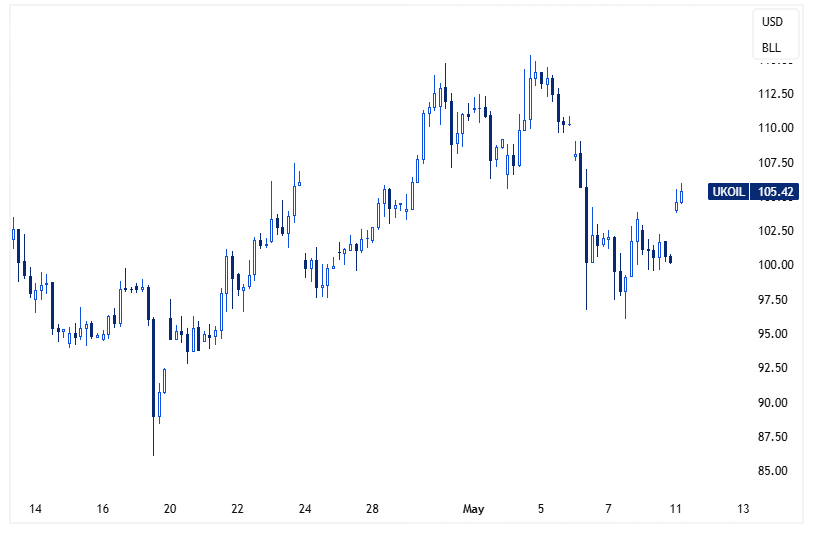
Oil prices climbed above $100 per barrel earlier today after President Trump said that Iran’s response to the proposal the US sent was “unacceptable,” keeping supply concerns in focus as the Strait of Hormuz remained largely disrupted.
Saudi Aramco CEO Amin Nasser warned that energy markets may take time to stabilize, even if flows resume, after major supply losses over the past two months.
Trump-Xi Talks Set the Tone
The upcoming Trump-Xi summit is increasingly looking like a geopolitical meeting rather than a purely trade-focused discussion.
The summit is scheduled for May 14–15, and the Middle East conflict is likely to dominate the agenda, especially after China’s recent talks with Iran helped raise hopes for diplomacy, pressure oil prices lower, and support risk sentiment.
That shift could push trade issues, tariffs, and rare earth supplies further down the agenda.
Business participation may also be more limited than usual, although major executives, including leaders from Boeing and Citigroup, are still expected to attend. At the same time, renewed tensions in the Strait of Hormuz show that the situation remains fragile.
A Big Week for US Data
Three major US economic reports are in focus this week, starting with CPI on Tuesday, followed by PPI on Wednesday and retail sales on Thursday.
The April CPI report will be the key release after March’s sharp 0.9% monthly increase, which pushed headline inflation to 3.3% YoY, mainly because of higher energy prices. However, core inflation remained more contained at 0.2% month-over-month and 2.6% year-over-year.
The inflation picture will get another layer with Wednesday’s PPI report, after producer prices rose 0.5% last month and annual PPI inflation reached 4.0%, its highest level since early 2023.
Thursday’s retail sales report will also be important, especially after March’s 1.7% jump, the strongest monthly increase in a year, supported by higher gasoline prices and larger tax refunds.
Together, these reports could help determine whether the Fed maintains its cautious stance or whether stronger inflation and demand signals push officials toward a more hawkish tone.
Europe’s Growth Split Widens
Wednesday brings the Eurozone’s second estimate of Q1 GDP, after the April flash reading showed growth slowing to 0.1% QoQ and 0.8% YoY, the weakest pace since mid-2022.
Thursday shifts attention to the UK GDP report, where recent monthly figures have pointed to some stabilization, with output rising 0.5% over three months despite a weak 0.1% quarterly pace in Q4.
Both economies are still facing pressure from elevated energy costs linked to the Middle East conflict. However, the Eurozone appears to be slowing more sharply, while the UK is showing early signs of resilience.


