

 ar
- Japan’s debt-servicing costs reached all-time highs after the country passed a large stimulus package.
- By increasing expenditure on infrastructure, technology, defense, and welfare, the budget hopes to boost the Japanese economy in 2026.
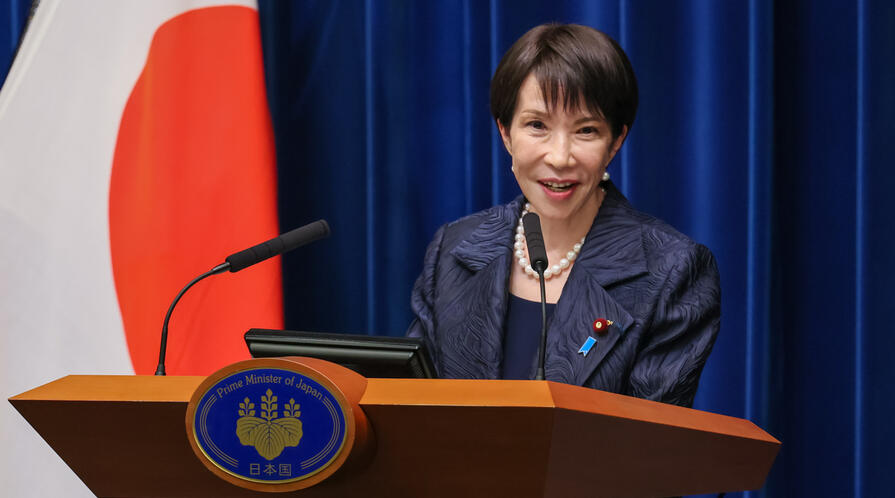
Japan’s government under its prime minister Sanae Takaichi has approved a huge budget for 2026 starting April. The fiscal plan shows her focus on supporting spending to stimulate the economy while trying to control debt and inflation worries. The budget balances big spending needs with promises to investors.
A Record-High Budget
The Japanese government approved a budget of 122 trillion yen ($785 billion). The 2026 budget exceeds this year’s budget of 115 trillion yen ($736 billion). ⁽¹⁾
Higher tax revenues are expected to rise 7.6%, reaching a record high of 83.7 trillion ($540 billion) will help fund increased spending, but will not reduce surging debt-servicing costs, along with higher social welfare and defense outlays. ⁽²⁾
Rising Costs for Debt, Welfare, and Defense
Servicing costs for debt are expected to rise 10.8% to 31.3 trillion yen ($200 billion). This includes interest payments and the redemption of the debt, with the assumed interest rate set at 3.0%, the highest level in 29 years, as the Bank of Japan exits ultra-loose monetary policy. ⁽³⁾
Japan has the highest debt in developed countries. It is more than twice the size of its economy. Rising borrowing costs make big spending plans harder. Spending on social welfare and defense will also grow. These areas need more money due to an aging population and security needs.
Positive Economic Outlook
The Japanese government has upgraded its forecast for growth, as it expects the Japanese economy to grow 1.1% in 2025. Growth is expected to grow at a pace of 1.3% in 2026. ⁽⁴⁾
As this budget will go into motion next year, it is expected that strong consumption and investment will drive growth. The stimulus package also plans to support lower-income families, subsidies for electric bills, and is expected to support sectors such as infrastructure and tech, mainly AI and semiconductors. ⁽⁵⁾
Balancing Growth and Debt Concerns
The budget of Prime Minister Takaichi seeks to reduce high living expenses and encourage investments in particular industries. However, some concerns about excessive debt have been raised by the large budget. Bond yields have lately reached all-time highs, and the Japanese government claims to be upholding discipline while attempting to boost the country’s economy.
Taikachi is pushing for a budget plan that covers several years not just for one year, which helps spending become more flexible. The budget also promises no irresponsible debt nor tax cuts, despite rising JGB yields and a weakening yen.


