

 ar
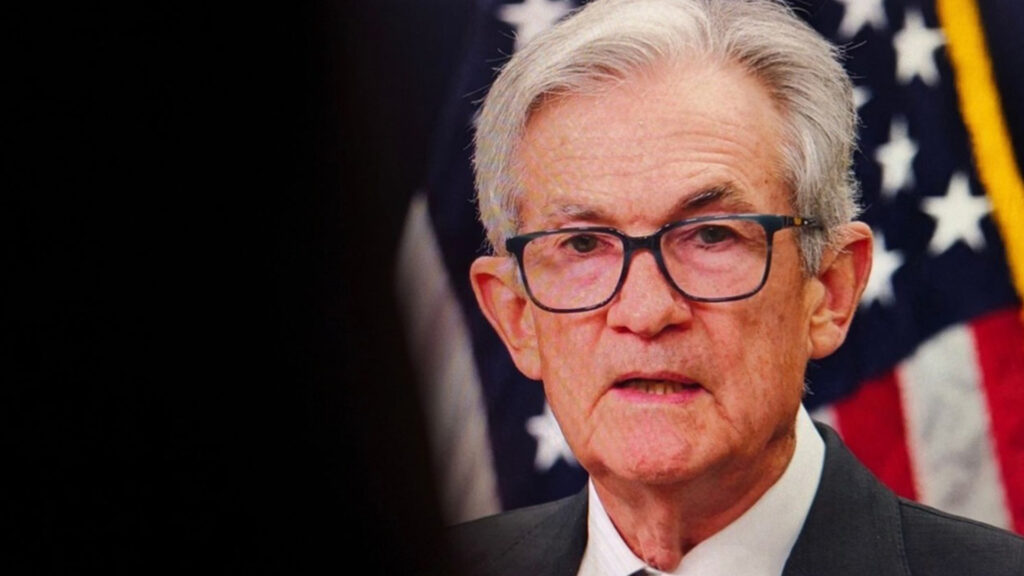
- The Fed cut rates by 25 basis points and will end its quantitative tightening, but Chair Powell signaled that a rate cut in December is uncertain amid limited data.
- Powell stated that FOMC members remained divided on the decision, with some preferring a pause or a larger rate cut.
- Future cuts will depend on labor market and growth weakness alongside changes in inflation trends.
The Federal Reserve has cut interest rates by 25 basis points to 4%, marking the second rate cut for 2025
The decision was made following a rare absence of data and came with the end of the Fed’s quantitative tightening program, which is due on December 1st.
However, Fed Chair Jerome Powell surprised markets with a more hawkish stance than anticipated. Powell stated that a rate cut in December remains uncertain, bringing expectations of another cut for this year lower.
Powell’s Caution on Future Cuts and Vote Dissents
The decision passed by a 10-2 vote. Governor Stephen Miran, a Trump appointee, wanted a larger cut of 50 basis points. Kansas City Fed President Jeffrey Schmid wanted no cut at all. He may see the current rate as close to neutral. ⁽¹⁾
Powell had different views on the December meeting, stating that a further reduction is not a foregone conclusion, noting that a group of FOMC officials want to wait for at least one more meeting to decide whether they continue their rate-cutting cycle. ⁽²⁾
In September, the Fed had planned for three rate cuts for 2025, but the absence of data due to the government shutdown has changed that view. Powell, however, cautioned against assuming that a rate cut is a sure thing at the next meeting. ⁽³⁾
Absence of Data Due to Government Shutdown
The Fed has been assessing economic performance with limited data, as the ongoing government shutdown has delayed most economic releases, including September’s jobs report, retail sales and other key data.
The only recent data actually released included the CPI report for September, showing that inflation came in at 3% YoY, due to energy price increases and tariff impacts, while core CPI came in at 2.7%.
FOMC Statement Changes Show Caution
The Fed’s statement mentioned the following factors:
- Economic activity expanded at a moderate pace.
- Job gains slowed, while unemployment remained low but up from August.
- Inflation moved up and remains somewhat elevated.
- Downside risks to jobs have risen in recent months.
The Fed watches both jobs and prices. Lately, it sees more risk to employment. Private data and state claims show the job market is stable but is weakening. Hiring has slowed, though layoffs remain low. ⁽⁴⁾
Ending Quantitative Tightening
The Fed will stop QT on December 1st. The central bank has cut its $6.6 trillion balance sheet by $2.3 trillion since the Covid peak near $9 trillion. ⁽⁵⁾
Money markets are tightening as liquidity falls and bank reserves at the Fed become scarce. To maintain stability, the Fed will now reinvest maturing Treasuries instead of letting them roll off, using the money from matured bonds to buy new Treasury securities to keep its securities portfolio and overall liquidity steady. ⁽⁶⁾
Market Reaction
Stocks pulled back from record highs on Powell’s comments. The Dow Jones ended the session 0.2% lower while the S&P 500 remained flat. The Nasdaq rose 0.6% due to mixed tech earnings. The US dollar index remained above 99 due to a hawkish Fed, while gold traded near three weak lows.
Outlook for 2026 and Beyond
Cuts may slow next year unless the labor market weakens further. Tariffs and possible fiscal stimulus could push inflation up. When data becomes available again, soft jobs, cooling inflation, and slow growth could support more cuts to reach a neutral rate. The Fed will decide meeting by meeting. ⁽⁷⁾
The Fed cut rates as expected but remains cautious. It bought some time with the use of limited data. Policy now depends on real risks to the labor market and any inflation surprises. The balance of risks guides the next steps.


