ar
- The upcoming UK Budget on 28 October faces a difficult squeeze: households need relief as inflation raises the government’s debt costs and borrowing exceeds forecasts.
- Banks could shoulder part of the bill through higher taxes on profits, helping finance temporary support while putting shareholder returns under scrutiny.
- The funding timetable deserves attention. Meeting fiscal rules in 2029/30 would still leave room for borrowing to rise in earlier years.
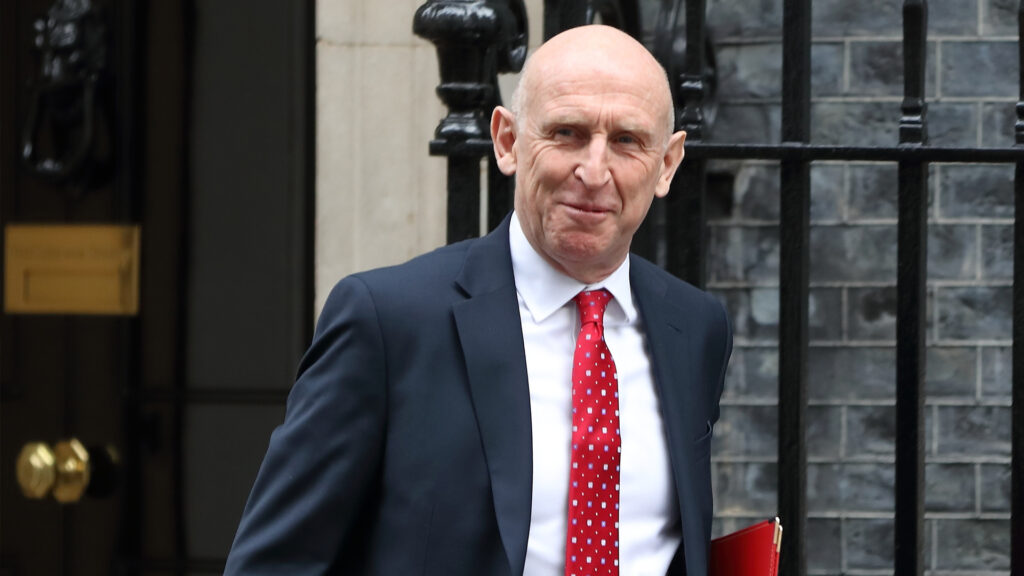
UK Chancellor John Healey will deliver his first Budget on Wednesday October 28, and this week’s data just made his job harder.
Prices are rising faster, borrowing is running above forecast, and he wants to help households while limiting additional borrowing.
Higher Prices, Higher Government Bills
UK inflation in September rose to 3.5% from 3.1% in August. Motor fuels drove the rise in inflation, underlying measures also increased. Services inflation climbed to 3.7%, while core inflation reached 2.8%, complicating the argument that the pressure is confined to energy. ⁽¹⁾
Inflation hits the government’s books directly. Borrowing came in at £24.5 billion in September, £1.9 billion above the Office for Budget Responsibility forecast.
Debt interest reached £10.9 billion, the highest September figure on record, and £4.0 billion of it was uplift on index-linked gilts. When prices rise, the government’s own debt gets more expensive too. ⁽²⁾
Borrowing from April to September stands at £97.8 billion, £4.4 billion below last year but £6.0 billion above forecast. The second number matters more to Healey. The forecast assumed a faster improvement, so a better YoY result still leaves him behind plan. ⁽³⁾
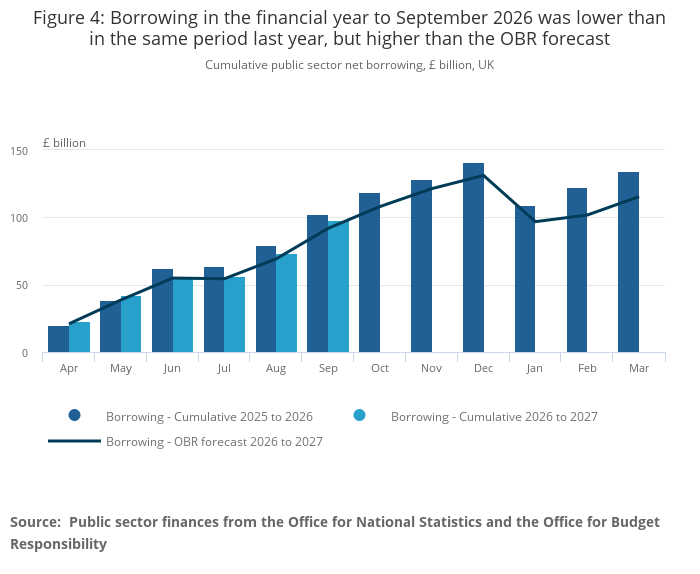
Cumulative borrowing is the total borrowed since April. Dark blue bars show 2025/26, light blue bars show 2026/27 actual figures through September, and the line shows the OBR forecast. Borrowing through September was below last year but above forecast. March’s dark blue bar covers the full previous financial year.
Fiscal headroom, the gap between the forecast and the point where the government breaks its own rules, is the figure to watch. Inflation pulls it two ways. Higher debt interest eats into it, while higher wages and prices lift tax receipts.
In one illustrative scenario, the Institute for Fiscal Studies estimates headroom of around £20 billion in 2029/30, compared with approximately £24 billion in March.
Changes to the earnings forecast alone could move that estimate by about £10 billion either way. Healey is expected to work with headroom of around £15 billion. ⁽⁴⁾
The IFS argues spending is the bigger problem. Departmental budgets are fixed in cash, so higher prices shrink what they buy. The IFS estimates that avoiding departmental cuts while increasing defense spending could require around £35 billion a year in tax rises or benefit cuts by 2030/31. ⁽⁵⁾

Who Pays for Household Support
Healey says support will be targeted and temporary, while reports point to higher taxes on banks to help finance it. The measure is likely to involve an increase in the surcharge on bank profits. Its final structure remains unconfirmed. Separately, reports say Healey has ruled out a capital gains tax increase. ⁽⁶⁾
For bank shareholders, the eventual rate, scope and duration would determine the effect on profits available for investment and distributions.
Reports suggest the Budget’s measures will be fully funded through higher taxes or spending cuts in 2029/30. That does not necessarily mean their costs will be covered in the years before then. ⁽⁷⁾
Temporary support could end before 2029, and Healey has not ruled out extra borrowing. If the government provides relief before the taxes or savings to fund it take effect, borrowing could rise in the meantime. The OBR’s year-by-year forecasts will show whether that happens. ⁽⁸⁾
Fiscal Credibility Can Come With a Growth Cost
The Bank of England kept Bank Rate at 3.75% in September following a 6–3 vote. Markets had almost fully priced in a quarter-point increase on 5 November before September’s inflation figures were released. The higher-than-expected reading reinforced expectations of a hike. ⁽⁹⁾
The BoE is trying to cool demand while the Chancellor is trying to increase it. The IMF has warned Healey to use support sparingly or risk reigniting inflation.
Even a fully funded package can add to demand, depending on who receives support and how it is financed. Help for households likely to spend it may boost consumption, while higher taxes or spending cuts can offset some of that effect. The overall impact depends on the package’s design and timing.
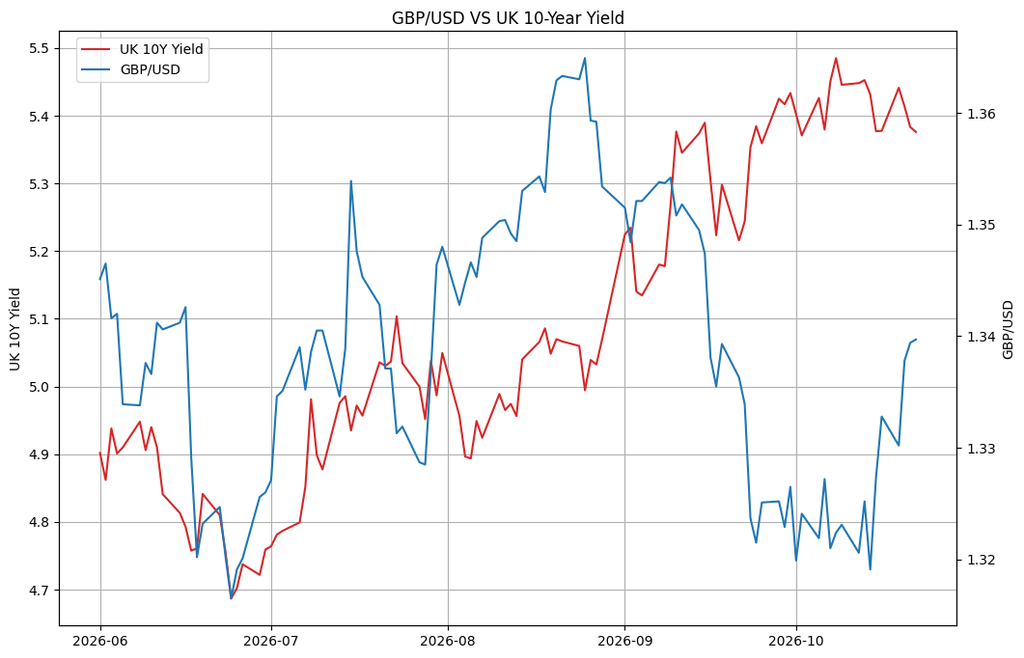
Sterling and gilt yields should be assessed together. Higher UK yields relative to those abroad can support the pound when they indicate expectations of tighter monetary policy. A weaker pound alongside rising yields could indicate fiscal concerns, although global market moves and growth expectations also matter.
The updated OBR forecasts will show whether growth, extra revenue or spending restraint carries the plan, and the savings penciled in for later years deserve the closest look. They only count if the government delivers them when the political cost arrives.